
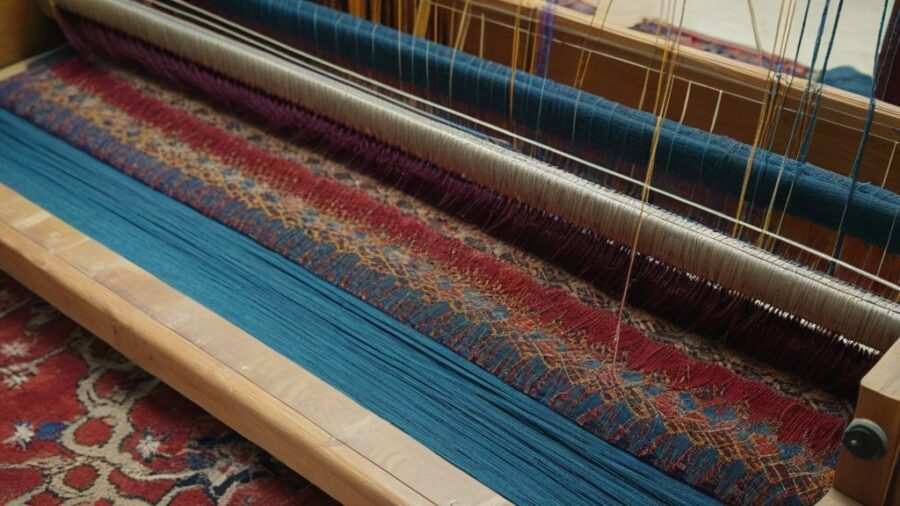
Persian Carpet Weaving Tradition: A Timeless Art
The Persian carpet weaving tradition is one of the most revered and intricate forms of craftsmanship in the world. With roots that trace back thousands of years, this ancient art form has evolved through various dynasties and cultural influences, making Persian carpets not just decorative items but also significant cultural artifacts. In this article, we will delve into the rich history, techniques, and cultural importance of Persian carpets, as well as explore modern innovations in this age-old craft.
Through the lens of history, we will examine how Persian carpets have been influenced by the social, political, and cultural changes in Iran and surrounding regions. We will also discuss the techniques that artisans use to create these masterpieces, showcasing the skills and dedication required to weave a single carpet.
Additionally, we will explore the cultural significance of Persian carpets, their design elements, and the materials used in their production. Finally, we will look at how modern innovations are shaping the future of Persian carpet weaving, ensuring that this tradition continues to thrive in contemporary settings.
Historical Background of Persian Carpets
Origins and Early Development
The history of Persian carpets dates back to the 5th century BC, where archaeological findings have revealed remnants of woven textiles in ancient Persia. The art of carpet weaving flourished during the Achaemenid Empire, where carpets were not only used for practical purposes but also served as symbols of wealth and power. Persian carpets often depicted intricate designs inspired by nature, mythological creatures, and geometric patterns.
Throughout the ages, various dynasties, including the Safavids in the 16th century, greatly influenced the art of carpet weaving. The Safavid period is especially notable for the introduction of vibrant colors and intricate designs, which transformed carpets into high-end decorative pieces that adorned palaces and mosques. By the 17th century, Persian carpets gained international acclaim, becoming highly sought after in Europe and beyond.
Influence of Cultural Exchanges
The Persian carpet weaving tradition has been profoundly shaped by cultural exchanges over the centuries. With the Silk Road facilitating trade between East and West, Persian carpets absorbed influences from various cultures, including Chinese motifs and European styles. This cross-cultural interaction not only enriched the designs of Persian carpets but also expanded their appeal to a global audience.
The impact of these exchanges can be seen in the variety of patterns and colors found in Persian carpets. For instance, the use of floral designs became popular due to the influence of Chinese art, while European tastes in the 18th century led to the incorporation of specific color palettes and styles. As a result, Persian carpets became a melting pot of artistic expressions, reflecting the rich tapestry of human history.
Techniques Used in Persian Carpet Weaving
Traditional Weaving Methods
The techniques employed in Persian carpet weaving are as diverse as the carpets themselves. The most common technique is the knotted pile, where individual knots are tied to the warp threads to create the carpet’s design. This method allows for the creation of intricate patterns and textures that are characteristic of Persian carpets. Artisans often use a specific knot known as the Persian knot, which provides a dense and durable finish.
Another technique is the flat weave, which produces a thinner carpet without a pile. This method, often used for traditional kilims, involves interlocking wefts and warps to create geometric patterns. Both techniques require immense skill and precision, with artisans often dedicating years to mastering the craft.
Color and Dyeing Techniques
The vibrant colors of Persian carpets are achieved through traditional dyeing techniques that often utilize natural materials. Artisans use plant-based dyes derived from roots, leaves, and flowers, which produce rich and varied hues. For instance, indigo is commonly used for blues, while madder root provides reds and pinks. This commitment to natural dyes not only enhances the aesthetic appeal of the carpets but also aligns with sustainable practices.
As modern technology has advanced, some weavers have begun to incorporate synthetic dyes for greater color consistency. However, many traditional artisans continue to prioritize natural dyes, preserving the authenticity and heritage of Persian carpet weaving. The choice of dye significantly impacts the final appearance and longevity of the carpet, making it a crucial aspect of the weaving process.
Cultural Significance of Persian Carpets
Symbolism and Identity
Persian carpets hold profound cultural significance in Iranian society and beyond. They are often seen as symbols of national pride and identity, representing the rich artistic heritage of Iran. The designs and patterns used in carpets often carry specific meanings, with motifs such as birds, trees, and flowers symbolizing life, prosperity, and spirituality. These carpets are more than just decorative items; they are woven narratives that reflect the cultural values and history of the region.
In many Iranian households, carpets are considered family heirlooms, passed down through generations. They are often used in significant life events, such as weddings and religious ceremonies, further underscoring their importance in cultural practices. The act of weaving a carpet is also seen as a spiritual endeavor, with artisans often believing that their craftsmanship imbues the carpet with blessings and positive energy.
Persian Carpets in Global Culture
Outside of Iran, Persian carpets have made a significant impact on global culture. They are frequently featured in art exhibitions and are celebrated for their beauty and craftsmanship. Many renowned artists and designers have drawn inspiration from Persian carpets, incorporating their motifs and colors into modern art and fashion. This cross-pollination of ideas has allowed Persian carpets to transcend their traditional roots, establishing them as timeless pieces appreciated worldwide.
In contemporary interior design, Persian carpets continue to be a sought-after choice, adding elegance and sophistication to various spaces. Their versatility allows them to complement both traditional and modern aesthetics, making them a staple in luxury homes and commercial establishments alike.
Materials and Design Elements in Persian Carpets
Fabrics and Fibers
The materials used in Persian carpet weaving play a crucial role in determining the quality and durability of the final product. The most common fibers used are wool, silk, and cotton. Wool is favored for its softness, resilience, and ability to hold dye, making it ideal for high-quality carpets. Silk, on the other hand, is prized for its luster and sheen, often used in more luxurious pieces.
Cotton is typically employed for the warp and weft threads, providing strength and stability to the carpet. The combination of these materials allows artisans to create carpets that are both functional and aesthetically pleasing. The choice of fiber also influences the texture and weight of the carpet, with silk carpets often being lighter and more delicate compared to their wool counterparts.
Design Motifs and Patterns
The design elements in Persian carpets are highly symbolic and varied, reflecting the rich cultural heritage of the region. Common motifs include floral designs, geometric patterns, and medallions, each carrying its own significance. For example, floral patterns often symbolize abundance and beauty, while geometric designs represent harmony and order.
Artisans often draw inspiration from nature, incorporating elements such as trees, animals, and landscapes into their designs. These motifs are not randomly placed; they follow specific layouts and rules that have been passed down through generations. The intricate detailing and complexity of these patterns require immense skill and creativity, showcasing the artistry involved in Persian carpet weaving.
Modern Innovations in Persian Carpet Weaving
Technological Advancements
As the world evolves, so does the art of Persian carpet weaving. Modern innovations have introduced new technologies that enhance the weaving process while preserving traditional techniques. For instance, computerized looms have streamlined production, allowing for greater precision and consistency in design. These advancements enable artisans to create intricate patterns that may have been challenging to achieve by hand.
Furthermore, digital dyeing techniques have emerged, allowing for a broader spectrum of colors and designs. While some traditionalists may resist these changes, many contemporary artisans embrace technology to expand their creative possibilities without compromising the essence of Persian carpet weaving.
Global Market Trends
The global demand for Persian carpets continues to grow, with increasing interest from collectors and interior designers. This trend has prompted many artisans to adapt their designs to cater to modern tastes while maintaining the integrity of traditional craftsmanship. Contemporary Persian carpets often feature simplified patterns and muted color palettes, appealing to a broader audience.
Additionally, the rise of e-commerce has transformed the way Persian carpets are marketed and sold. Artisans can now reach international customers directly, bypassing traditional distribution channels. This shift not only enhances the visibility of Persian carpets but also supports the livelihoods of artisans, ensuring the continuation of this cherished tradition.
Conclusion
The Persian carpet weaving tradition is a remarkable testament to human creativity, skill, and cultural heritage. From its ancient origins to its modern adaptations, this art form encapsulates the essence of Persian identity and artistry. The intricate techniques, rich colors, and symbolic designs of Persian carpets have made them timeless treasures, appreciated by collectors and enthusiasts around the world.
As we have explored, the significance of Persian carpets extends beyond their aesthetic appeal. They embody stories, traditions, and the enduring spirit of a culture that continues to thrive despite the passage of time. Whether through traditional craftsmanship or modern innovations, the legacy of Persian carpet weaving will undoubtedly continue to captivate future generations.
FAQ about Persian Carpet Weaving
What materials are commonly used in Persian carpets?
Persian carpets are primarily made from wool, silk, and cotton. Wool is favored for its softness and durability, while silk adds luster and elegance. Cotton is often used for the warp and weft threads, providing structure to the carpet.
How long does it take to weave a Persian carpet?
The time required to weave a Persian carpet can vary significantly based on its size and complexity. A small carpet may take several months, while larger, more intricate pieces can take up to a year or more to complete.
What is the significance of the designs in Persian carpets?
The designs in Persian carpets are highly symbolic. Common motifs include floral patterns, geometric shapes, and medallions, each representing different cultural meanings, such as beauty, abundance, and order.
Are modern Persian carpets still made using traditional techniques?
Yes, many modern Persian carpets are still made using traditional techniques. However, some artisans incorporate modern technologies to enhance precision and efficiency while preserving the essence of the craft.
How can I identify an authentic Persian carpet?
Authentic Persian carpets can be identified by their unique designs, quality of materials, and intricate craftsmanship. Look for hand-knotted details, which are a hallmark of genuine Persian carpets, and check for a label or certificate of authenticity when purchasing.
Recap of Key Points
- The Persian carpet weaving tradition dates back to the 5th century BC and has evolved through various dynasties.
- Traditional techniques include knotted pile and flat weave, with artisans often using natural dyes for vibrant colors.
- Persian carpets are symbols of cultural identity and pride, often used in significant life events.
- Modern innovations include technological advancements in weaving and a growing global market.
- Authentic Persian carpets can be identified by their intricate craftsmanship and unique designs.