
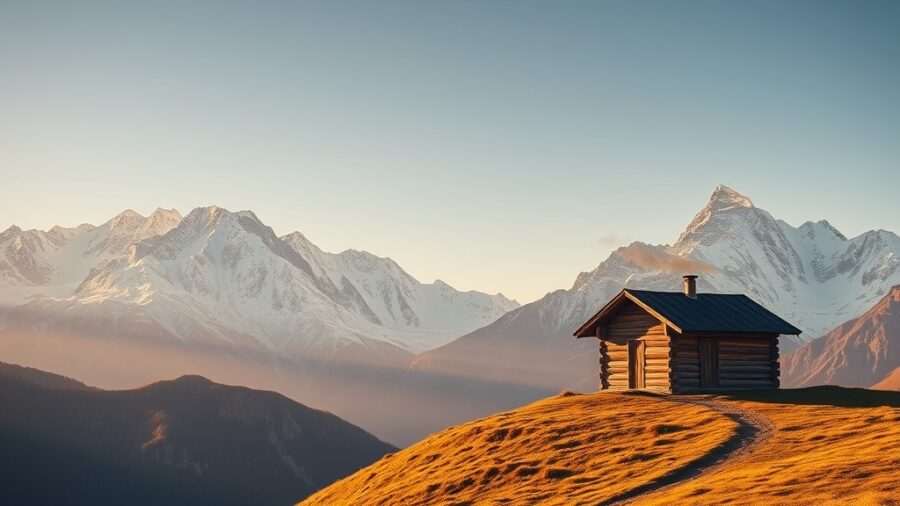
Mountain Hut Alpine Stay: Your Gateway to Nature’s Serenity
Searching for a unique escape into the wild? A mountain hut alpine stay might just be the perfect solution. Nestled amidst breathtaking landscapes, mountain huts offer an unparalleled experience that combines adventure, relaxation, and a deep connection with nature. Whether you are a seasoned hiker or simply seeking a tranquil retreat, these accommodations provide a cozy and rustic atmosphere that feels like home away from home.
In this guide, we will delve into the various aspects of mountain hut stays, including how to choose the perfect one, what to expect during your visit, activities available nearby, and the importance of sustainability in alpine accommodations. By the end of this article, you will be well-equipped to plan your dream alpine getaway.
From scenic views to local culinary delights, each mountain hut has its own charm and unique offerings that cater to diverse preferences. Let’s embark on this journey together, exploring the beauty and serenity of mountain hut stays in the alpine regions.
Choosing the Perfect Mountain Hut
Factors to Consider
When selecting the ideal mountain hut for your stay, various factors come into play. First and foremost, consider the location. Are you looking for a hut that is easily accessible or one that requires a challenging hike? Some popular regions for mountain huts include the Swiss Alps, Tyrol in Austria, and the Dolomites in Italy. Each area boasts stunning scenery and unique experiences.
Another important factor is the facilities offered. Some mountain huts provide basic amenities, while others may offer more luxurious options such as private rooms, gourmet dining, and wellness services. Understanding your comfort preferences and budget will help narrow down your choices.
Types of Mountain Huts
Mountain huts vary significantly in style and service. Here are some common types:
- Traditional Alpine Huts: These huts are often family-run and reflect local architecture, providing a cozy and authentic experience.
- Modern Mountain Lodges: Offering contemporary amenities, these lodges may feature stylish interiors, spas, and fine dining.
- Self-Catering Huts: Ideal for groups or families, these huts allow guests to prepare their own meals, promoting a homely atmosphere.
By considering these factors, you can ensure a memorable and enjoyable stay in the mountains.
What to Expect During Your Stay
Accommodations and Amenities
Staying in a mountain hut is not just about the location; it’s also about the experience. Most huts offer shared dormitory-style rooms, providing a great opportunity to meet fellow travelers. However, many also feature private rooms for those seeking a bit more privacy. Expect rustic furnishings, with wooden beams and cozy décor that reflect the alpine charm.
Amenities can vary widely; some huts may offer hot showers, electricity, and Wi-Fi, while others prioritize a more back-to-basics approach. Regardless, the focus is on comfort and relaxation after a day of exploring the great outdoors.
Dining Experiences
Food is an essential part of the mountain hut experience. Many huts serve traditional alpine cuisine, including hearty dishes like fondue, raclette, and homemade pastries. Breakfast typically includes local cheeses, meats, and freshly baked bread, providing the energy needed for your adventures ahead.
Some huts also host themed dinners or cooking classes, allowing guests to immerse themselves in the local culinary culture. Be sure to try the regional specialties during your stay!
Activities and Adventures Nearby
Hiking and Trekking
One of the main attractions of a mountain hut alpine stay is the plethora of hiking trails available. Depending on the location, guests can choose from leisurely walks to challenging treks that take you to breathtaking vistas. Popular trails often lead to stunning lakes, mountain passes, and even peaks that reward hikers with panoramic views.
For example, the famous Alta Via 1 in the Dolomites offers a multi-day trek that showcases some of the most beautiful landscapes in Italy. It’s a route filled with dramatic cliffs, lush meadows, and picturesque villages.
Winter Sports
If you’re visiting during the colder months, winter sports are an exhilarating option. Skiing, snowboarding, and snowshoeing are just a few activities available near many mountain huts. The powdery slopes and serene winter landscapes create an unforgettable experience.
For instance, the Zermatt region in Switzerland is renowned for its ski resorts and offers skiing year-round on the Matterhorn glacier, making it a haven for winter sports enthusiasts.
Sustainability in Alpine Accommodations
Eco-Friendly Practices
Sustainability is a growing concern in the tourism industry, and many mountain huts are taking significant steps to minimize their environmental impact. This includes using renewable energy sources, such as solar panels and wind turbines, to power their facilities. Additionally, some huts focus on waste reduction by encouraging recycling and composting.
Many alpine accommodations also support local communities by sourcing food and materials locally, which helps to reduce carbon footprints and stimulate the regional economy.
Conservation Efforts
In conjunction with sustainable practices, various mountain hut operators participate in conservation efforts aimed at preserving the natural beauty of their surroundings. This includes maintaining trails, protecting wildlife habitats, and advocating for responsible tourism among their guests.
The Swiss Federal Office for the Environment, for instance, emphasizes the importance of protecting the fragile alpine ecosystem, ensuring that future generations can enjoy these stunning landscapes.
Planning Your Mountain Hut Experience
Best Times to Visit
The timing of your visit can greatly influence your mountain hut experience. The summer months, from June to September, are perfect for hiking, with clear trails and blooming flora. Conversely, if you are interested in winter sports, visiting between December and March is ideal for skiing and snowboarding.
Keep in mind that specific mountain huts may have seasonal openings, so it is crucial to check availability and make reservations well in advance, especially during peak seasons.
What to Pack
Proper packing is essential for a successful alpine stay. Key items to bring include:
- Layered Clothing: Weather in the mountains can change rapidly, so dress in layers to adapt to different temperatures.
- Sturdy Hiking Boots: A good pair of hiking boots will provide the necessary support and traction on rugged trails.
- Reusable Water Bottle: Staying hydrated is crucial, and a reusable bottle is environmentally friendly.
Additionally, don’t forget your camera to capture the breathtaking views and unforgettable moments!
Conclusion
A mountain hut alpine stay is not just an accommodation; it is a gateway to adventure, relaxation, and connection with nature. From choosing the perfect hut to planning your activities and understanding the importance of sustainability, this guide has equipped you with the knowledge needed for an unforgettable experience.
As you embark on this journey, remember to embrace the tranquility of the mountains, savor the local cuisine, and partake in the various outdoor activities available to create lasting memories. The unique charm of mountain huts awaits you, offering a serene escape that rejuvenates the spirit.
Frequently Asked Questions
1. What is a mountain hut?
A mountain hut is a type of accommodation located in alpine regions, typically offering rustic and cozy settings. They provide essential amenities and often serve as bases for outdoor activities like hiking and skiing.
2. How do I book a mountain hut stay?
Most mountain huts can be booked online through their official websites or through various travel platforms. It’s advisable to make reservations ahead of time, especially during peak seasons.
3. Are mountain huts family-friendly?
Many mountain huts cater to families, offering private rooms and activities suitable for children. It’s best to check with the specific hut for family-oriented amenities and services.
4. What food is typically served in mountain huts?
Mountain huts often serve traditional alpine cuisine, including hearty meals like stews, homemade bread, and local cheeses. Some may also offer vegetarian options and locally sourced ingredients.
5. Can I stay in a mountain hut during winter?
Yes, many mountain huts remain open during the winter months, providing access to winter sports and cozy accommodations. However, it’s crucial to check their seasonal availability before planning your trip.
Recap
- Mountain hut stays provide a unique blend of adventure and relaxation.
- Choosing the right hut involves considering location, amenities, and type of accommodation.
- Expect rustic accommodations and authentic alpine dining experiences.
- Activities include hiking in summer and skiing in winter.
- Sustainability is a key focus for many mountain huts, emphasizing eco-friendly practices.
- Plan your visit according to the best times and pack appropriately for your adventures.
- Mountain huts offer a chance to connect with nature and create lasting memories.