
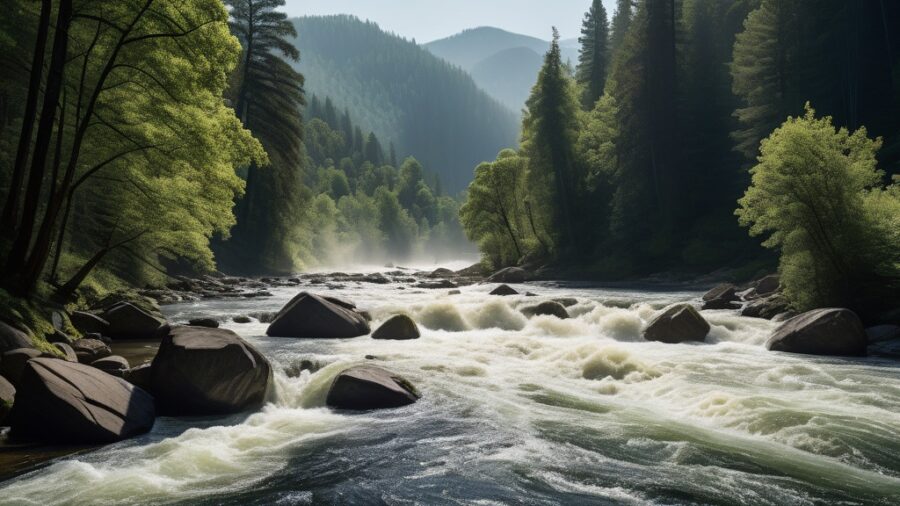
Ultimate Guide to White Water Rafting Travel
White water rafting travel is an exhilarating adventure that combines the beauty of nature with the thrill of navigating rough waters. For those seeking a unique way to experience the outdoors, white water rafting offers a perfect blend of excitement and exploration. In this guide, we will delve into the best destinations for white water rafting, essential gear needed for a successful trip, safety tips to ensure a memorable experience, and how to effectively plan your adventure.
Whether you are a seasoned rafter or a beginner looking to try this thrilling activity, there is something for everyone in the world of white water rafting. As we explore the diverse locations around the globe, we will highlight what makes each destination unique and why it should be on your bucket list. Additionally, we will provide insight into the gear that can enhance your experience and keep you safe while navigating the rapids.
By the end of this article, you will not only have a comprehensive understanding of white water rafting travel but also the tools and knowledge necessary to embark on your own adventure. So, prepare yourself for an exciting journey as we dive into the world of white water rafting!
Best Destinations for White Water Rafting
North America: The Gold Standard for Rafting
North America is often regarded as the gold standard for white water rafting, featuring an array of rivers that cater to all skill levels. From the roaring rapids of the Colorado River to the tranquil waters of the New River Gorge, the continent offers diverse experiences. The Grand Canyon in Arizona is a premier destination, with its stunning landscapes and challenging Class IV and V rapids, attracting adventurers from around the world.
Another must-visit location is the Gauley River in West Virginia, known for its challenging waters and vibrant fall foliage. The Gauley is famous for its annual release of water, providing the perfect conditions for thrilling rafting experiences. Every year, thousands of rafters flock to the Gauley to tackle its intense rapids, making it a hotspot for adrenaline seekers.
International Adventures: Rafting Around the Globe
While North America boasts some of the best white water rafting destinations, other countries offer equally exciting experiences. New Zealand is renowned for its stunning landscapes and top-notch rafting opportunities. The Shotover River in Queenstown is famous for its narrow canyons and fast-moving rapids, providing a thrilling ride for experienced rafters.
In South America, the Futaleufú River in Chile is often considered one of the best white water rivers in the world. Its turquoise waters and breathtaking scenery make it a paradise for adventure enthusiasts. The river features a range of rapids, from Class III to Class V, catering to both beginners and seasoned rafters alike.
| Destination | Country | Class of Rapids |
|---|---|---|
| Grand Canyon | USA | IV-V |
| Gauley River | USA | IV-V |
| Shotover River | New Zealand | III-V |
| Futaleufú River | Chile | III-V |
Essential Gear for White Water Rafting
Clothing: Dressing for Success
When it comes to white water rafting, wearing the right clothing is essential for both comfort and safety. It is crucial to dress in layers, starting with a moisture-wicking base layer that keeps you dry. A lightweight, quick-drying shirt and shorts or swimwear are ideal choices for warmer days.
Investing in a good quality dry suit or wet suit is advisable, especially for colder waters. These suits provide insulation and protection from the elements, ensuring a more enjoyable experience. Additionally, wearing a personal flotation device (PFD) is not only a safety requirement but also adds an extra layer of warmth.
Rafting Equipment: Must-Have Essentials
Beyond clothing, there are several key pieces of equipment that will enhance your rafting experience. A durable raft is, of course, the centerpiece of your adventure. Depending on the type of river and the number of rafters, you may choose between an inflatable kayak, a paddle raft, or a self-bailing raft.
Other essential gear includes paddles, helmets, and throw bags for emergencies. A sturdy first aid kit is also crucial, as it ensures you are prepared for any minor injuries or mishaps that may occur during your trip. Additionally, consider bringing a waterproof camera to capture the breathtaking moments along the way.
- Moisture-wicking base layers
- Quick-drying shirts and shorts
- Dry suits or wet suits
- Personal flotation devices (PFD)
- Durable rafts and paddles
- First aid kit
Safety Tips for a Successful Rafting Experience
Understanding the Rapids
One of the most critical aspects of white water rafting is understanding the different classes of rapids. Rapids are classified from Class I to Class VI, with Class I being easy and suitable for beginners, while Class VI represents extreme conditions that should only be attempted by expert rafters. Knowing the classification of the river you will be navigating is vital for ensuring a safe experience.
Before setting out on your adventure, it is essential to consult with local guides or rafting companies. They possess valuable knowledge about the river conditions, potential hazards, and the best practices for navigating the waters effectively. Following their advice will greatly enhance your safety and enjoyment.
Equipment Checks and Pre-Rafting Briefings
Before launching your raft, always conduct a thorough equipment check. Ensure that all gear, including your raft, paddles, and safety equipment, is in good condition. Look for any signs of wear or damage, as these could compromise your safety on the water.
Participate in pre-rafting briefings conducted by your guide. These briefings often cover essential safety protocols, paddling techniques, and emergency procedures. Familiarizing yourself with these instructions can be crucial in case of unexpected situations during your trip.
| Class of Rapids | Description | Recommended Skill Level |
|---|---|---|
| Class I | Easy, moving water with small waves | Beginner |
| Class III | Moderate, with larger waves and some obstacles | Intermediate |
| Class V | Very difficult, with long and violent rapids | Advanced |
| Class VI | Extreme, dangerous conditions | Expert |
Planning Your White Water Rafting Trip
Choosing the Right Time of Year
Selecting the appropriate time to embark on your white water rafting adventure is crucial for a successful experience. Different rivers have varying peak seasons, influenced by seasonal weather patterns and water levels. For instance, the Colorado River typically sees high water levels from late spring to early summer, providing exciting rapids.
Conversely, some rivers offer unique experiences during the fall when water levels decrease, allowing for a more leisurely float. It is essential to research the specific river you plan to navigate to determine the best time for your trip, depending on your skill level and desired experience.
Booking with Reputable Guides
When planning your rafting adventure, consider booking with reputable guides or rafting companies. They provide experienced guides who are knowledgeable about the river and prioritize safety. A good guide will not only enhance your experience but also ensure that you understand the necessary safety measures and techniques required for a successful trip.
Read reviews and testimonials from previous customers to gauge the quality of the service provided by the company. Look for companies that offer a range of options, including half-day, full-day, and multi-day trips, allowing you to choose an adventure that fits your schedule and preferences.
- Research peak seasons for your chosen river
- Consider skill levels when selecting dates
- Choose reputable rafting companies
- Read customer reviews for insights
Conclusion: Embrace the Adventure
White water rafting travel is not just an activity; it is an adventure that fosters a deep connection with nature and provides unforgettable memories. From the breathtaking landscapes to the adrenaline-pumping rapids, every aspect of rafting adds to the thrill of the journey. With the knowledge gained from this guide, you are now equipped to choose the perfect destination, gear up appropriately, and prioritize safety for your rafting experience.
As you plan your adventure, remember to embrace the excitement and challenges that come with navigating the rapids. With the right preparation and mindset, you can enjoy an exhilarating experience that will leave you longing for more. So gather your friends, select your destination, and get ready to embark on a thrilling white water rafting journey!
FAQ about White Water Rafting Travel
What is the best time of year for white water rafting?
The best time for white water rafting varies depending on the river. Generally, late spring to early summer is ideal for rivers with snowmelt, while fall may offer calmer conditions for leisurely floats. Researching specific rivers beforehand is essential.
Do I need prior experience to go white water rafting?
While some rivers cater to beginners, others require prior experience. Many rafting companies offer guided trips suitable for all skill levels. It’s advisable to start with easier rapids if you are new to rafting.
What safety gear do I need for white water rafting?
Essential safety gear includes a personal flotation device (PFD), helmet, and appropriate clothing. It’s crucial to ensure all equipment is in good condition before embarking on your trip.
Can I bring my own equipment for white water rafting?
Yes, you can bring your own equipment, such as paddles and personal flotation devices. However, it’s important to ensure that your gear meets safety standards and is suitable for the type of rafting you will be doing.
What should I expect during a white water rafting trip?
A typical white water rafting trip includes a safety briefing, equipment checks, and guided navigation through the rapids. Expect to encounter various water conditions and enjoy stunning scenery along the way.
- White water rafting offers thrilling adventures.
- North America features some of the best rafting destinations.
- Essential gear includes appropriate clothing and safety equipment.
- Understanding rapids is crucial for safety.
- Planning involves choosing the best time and reputable guides.
- Always prioritize safety during your rafting experience.
This content is informative and does not replace medical or psychological evaluation or treatment.