
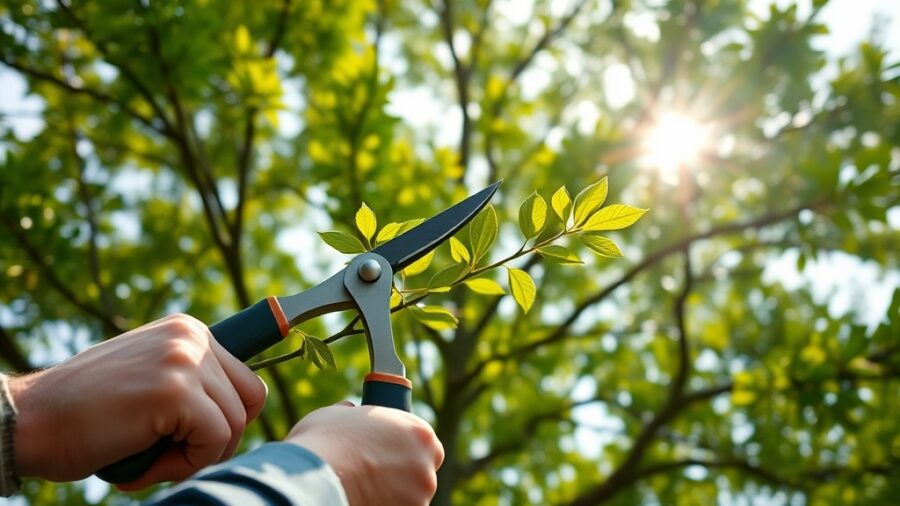
Tree Pruning Trimming Guide: Mastering the Art of Tree Care
Tree pruning is an essential aspect of maintaining healthy trees and enhancing the beauty of your landscape. In this comprehensive tree pruning trimming guide, we will explore the importance of pruning, the tools required, various techniques, and much more. Whether you are a novice gardener or an experienced horticulturist, understanding the nuances of tree pruning is critical for fostering tree vitality and preventing potential hazards.
Throughout this article, readers will learn why pruning is crucial for tree health, discover the best tools for effective pruning, and understand the seasonal considerations that should guide your efforts. Additionally, we will delve into common mistakes to avoid, how to prune specific types of trees, and when it may be necessary to consult a professional arborist.
By the end of this guide, you will be equipped with the knowledge to confidently approach tree pruning, ensuring your trees thrive and contribute positively to your environment. Let’s get started!
Introduction to Tree Pruning
What is Tree Pruning?
Tree pruning involves the selective removal of certain parts of a tree, including branches, buds, and roots. This practice not only improves the aesthetic appeal of the tree but also promotes its overall health and growth. Pruning can be performed for various reasons, including enhancing sunlight penetration, improving air circulation, and removing dead or diseased wood.
The History of Tree Pruning
The practice of tree pruning dates back thousands of years. Ancient civilizations, such as the Egyptians and Greeks, recognized the benefits of pruning for agriculture and horticulture. For instance, in ancient Egypt, pruning was practiced to improve the yield of fruit trees, while the Greeks documented various techniques in their writings. Over time, pruning methods have evolved, incorporating scientific understanding of tree biology and growth patterns.
Why Pruning is Essential for Tree Health
Promoting Healthy Growth
Pruning is vital for encouraging healthy growth in trees. Removing dead or diseased branches prevents the spread of pathogens and pests that can compromise the tree’s health. Furthermore, strategic pruning allows for better light exposure and air circulation, which are essential for photosynthesis and overall vitality.
Enhancing Structural Integrity
Many trees benefit from pruning as it helps maintain a strong structure. By removing weak or crossing branches, the tree can develop a more robust framework, reducing the risk of breakage during storms or high winds. This is particularly important for young trees, as proper pruning early on can shape their growth and prevent future structural issues.
Tools You Need for Effective Pruning
Essential Pruning Tools
Having the right tools is crucial for effective tree pruning. Here are some essential tools you should consider:
- Hand Pruners: Ideal for cutting small branches and stems.
- Loppers: Best for thicker branches that are too large for hand pruners.
- Pruning Saw: Useful for larger branches that require more power.
- Pole Saw: Allows you to reach higher branches without the need for a ladder.
- Safety Gear: Gloves, goggles, and hard hats are essential for protecting yourself while pruning.
Maintaining Your Tools
Maintaining your pruning tools is just as important as choosing the right ones. Regularly sharpen blades to ensure clean cuts, and clean your tools after each use to prevent the spread of disease between trees. Using a mixture of water and bleach can help disinfect your tools effectively.
Understanding Different Pruning Techniques
Types of Pruning Techniques
There are several pruning techniques, each serving different purposes:
- Crown Thinning: Involves removing selected branches to improve light penetration and air circulation.
- Crown Raising: Removes lower branches to provide clearance for pedestrians, vehicles, and structures.
- Crown Reduction: Reduces the size of a tree by shortening branches to decrease height and spread.
When to Use Each Technique
Choosing the right technique depends on the tree species, its growth stage, and your goals. For example, crown thinning is best done on mature trees, while crown raising might be more appropriate for young trees that need to clear space below. Understanding the specific needs of your trees will guide you in selecting the most effective pruning method.
Seasonal Considerations for Tree Pruning
Best Seasons for Pruning
Timing is crucial in tree pruning. Generally, the best time to prune most trees is during late winter or early spring before new growth starts. This timing minimizes stress on the tree and promotes healthy growth as it enters the growing season. However, certain trees, such as flowering varieties, may benefit from specific pruning times to enhance blooming.
Seasonal Challenges
Different seasons present unique challenges for pruning. For instance, summer pruning can be beneficial for certain species, as it allows you to see the tree’s structure without the leaves. However, care must be taken to avoid excessive stress during hot weather. Additionally, pruning in fall can leave trees vulnerable to winter injury, particularly in colder climates.
Common Mistakes to Avoid When Pruning
Over-Pruning
One of the most common mistakes in tree pruning is over-pruning, which removes too much foliage and can stress the tree. This can lead to reduced growth and susceptibility to disease. It is crucial to follow the one-third rule, which states that no more than one-third of the tree’s canopy should be removed in a single pruning session.
Improper Cuts
Making improper cuts can cause lasting damage to a tree. Cuts should be made at a slight angle to prevent water accumulation, and it’s essential to avoid leaving stubs that can become entry points for pests and pathogens. Proper cutting techniques will ensure that the tree heals effectively after pruning.
How to Prune Specific Types of Trees
Pruning Flowering Trees
Flowering trees, such as cherry and dogwood, require specific pruning techniques to promote blooming. For these trees, it is best to prune just after flowering to avoid cutting off next year’s buds. Focus on removing dead or crowded branches to enhance air circulation and light exposure.
Pruning Fruit Trees
Fruit trees, such as apple and pear, benefit from careful pruning to encourage healthy fruit production. This typically involves thinning out branches to allow sunlight to reach the fruit and removing any dead or diseased wood. Pruning should ideally occur in late winter or early spring for optimal results.
When to Call a Professional Arborist
Signs You Need Professional Help
While many homeowners can manage basic pruning, some situations require the expertise of a professional arborist. If you notice significant tree damage, disease, or if the tree poses a safety risk, it’s best to call in an expert. Additionally, if the tree is large or located near power lines, professional assistance is essential to ensure safety.
Choosing the Right Arborist
When selecting an arborist, look for certified professionals with experience in tree care. Check for credentials such as ISA (International Society of Arboriculture) certification and ask for references. A qualified arborist will assess your trees and provide tailored advice on pruning and care.
Conclusion
In conclusion, mastering the art of tree pruning is essential for maintaining the health and beauty of your trees. This tree pruning trimming guide has covered the importance of pruning, the necessary tools, various techniques, and the seasonal considerations that should inform your pruning practices. By avoiding common mistakes and knowing when to call a professional, you can ensure your trees thrive for years to come.
As you embark on your tree care journey, remember to approach pruning with care and respect for the tree’s natural growth patterns. With the right knowledge and techniques, you can contribute positively to your landscape, enhancing both its beauty and ecological health.
FAQ
1. How often should I prune my trees?
The frequency of tree pruning depends on the species and age of the tree. Generally, most trees benefit from pruning every 3 to 5 years. Young trees may require more frequent pruning to establish a strong structure.
2. Can I prune my trees in the fall?
While it is possible to prune in the fall, it is not recommended for most species. Pruning during fall can leave trees vulnerable to winter damage. Late winter or early spring is typically the best time.
3. What should I do with the branches I cut off?
Cut branches can be composted, chipped into mulch, or disposed of through yard waste services. Ensure you check local regulations regarding yard waste disposal to comply with community guidelines.
4. Is it safe to prune trees near power lines?
Pruning near power lines can be dangerous and is best left to professionals. If a tree is in proximity to power lines, contact your utility company to handle the pruning safely.
5. How can I tell if my tree is diseased?
Signs of a diseased tree include discolored leaves, dead branches, and unusual growths such as mushrooms at the base. If you suspect your tree is diseased, consult a professional arborist for an assessment.
Recap
- Tree pruning is essential for maintaining tree health and aesthetics.
- Proper tools and techniques are crucial for effective pruning.
- Understanding seasonal considerations can enhance pruning outcomes.
- Avoid common mistakes such as over-pruning and improper cuts.
- Specific pruning techniques are required for different types of trees.
- Professional arborists should be consulted for significant tree issues.
- Regular maintenance and care will ensure the longevity of your trees.
- Knowledge and respect for tree growth patterns are key to successful pruning.