
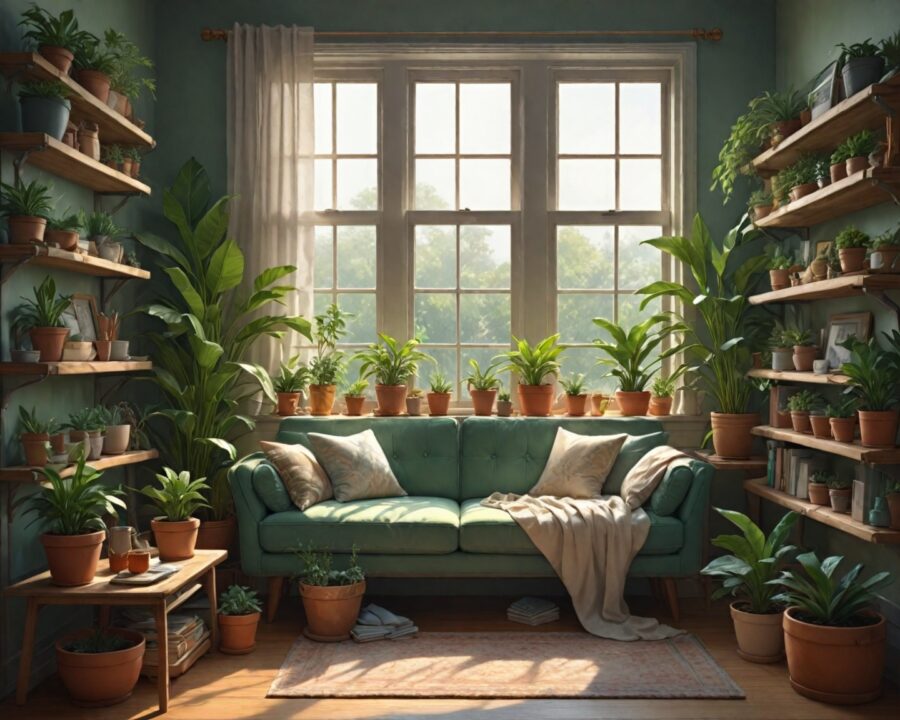
Introduction to Low-Light Indoor Plants
Indoor plants have become an essential part of home and office decor. They not only beautify spaces but also bring a sense of tranquility and nature indoors. However, not all indoor environments are blessed with abundant sunlight. Many homes and offices have areas that receive limited sunlight, making it challenging to maintain traditional houseplants. This is where low-light indoor plants come into play. These plants are adapted to thrive in conditions with minimal sunlight, making them perfect for dimly lit spaces.
Low-light indoor plants are often more resilient and require less attention compared to their sun-loving counterparts. These plants can survive in indirect light or even artificial light, making them suitable for a variety of indoor settings. Whether it’s a windowless office or a shadowy corner in your living room, there’s a low-light plant that can fit your space perfectly. Understanding which plants best suit your environment and how to care for them can transform any dreary area into a lively green sanctuary.
Benefits of Having Indoor Plants in Low-Light Spaces
Integrating low-light indoor plants into your home or office space has a multitude of benefits beyond just aesthetics. One of the primary advantages is their ability to improve air quality. Many indoor plants are known to absorb toxins such as formaldehyde and benzene, providing cleaner air to breathe. This is particularly beneficial in enclosed spaces where air circulation may be limited.
Another significant benefit is the psychological impact of having plants around. Studies have shown that being in proximity to greenery can enhance mood, reduce stress, and promote overall well-being. For those working in high-pressure environments or living in urban areas, indoor plants can provide a much-needed connection to nature, creating a calming effect and improving mental health.
Additionally, low-light plants are generally low-maintenance, making them ideal for busy individuals or those who might not have a green thumb. They require less frequent watering and are less susceptible to pests, reducing the effort needed to maintain a healthy and vibrant indoor garden. This allows anyone to enjoy the beauty and benefits of plants without the usual horticultural demands.
Top 10 Indoor Plants That Thrive With Little Sunlight
When it comes to selecting low-light indoor plants, there are plenty of options to consider. Here’s a curated list of the top 10 best indoor plants that require little sunlight:
- Snake Plant (Sansevieria): Known for its striking tall leaves and air-purifying qualities.
- ZZ Plant (Zamioculcas zamiifolia): Renowned for its hardy nature and shiny, waxy leaves.
- Pothos (Epipremnum aureum): A versatile vine that can grow in water or soil and adapts well to varying light conditions.
- Peace Lily (Spathiphyllum): Famous for its stunning white flowers and air-purifying abilities.
- Parlor Palm (Chamaedorea elegans): An elegant plant that adds a tropical touch to any room.
- Cast Iron Plant (Aspidistra elatior): As tough as its name suggests, thriving in neglect and low light.
- Spider Plant (Chlorophytum comosum): Known for its arching leaves and ability to sprout new plants.
- Chinese Evergreen (Aglaonema): Offers colorful foliage with minimal care requirements.
- Dracaena (Dracaena spp.): Includes various species, each with unique leaf patterns.
- Boston Fern (Nephrolepis exaltata): Adds lush greenery and helps purify the air.
These plants not only survive but also flourish in low-light environments, offering a range of aesthetics and functional benefits. They are excellent choices for both novice and experienced plant owners looking to enhance their indoor spaces.
Care Tips for Low-Light Indoor Plants
Once you’ve chosen the right low-light plants, proper care is crucial to ensure they thrive. Start by understanding the watering needs of each plant. Overwatering is a common mistake, especially for plants in low-light conditions, as they require less water. Ensure pots have good drainage to prevent waterlogging.
Humidity is another important factor, particularly for plants like ferns that thrive on moisture. If your space is dry, consider misting your plants occasionally or placing a humidity tray nearby. On the other hand, plants like succulents prefer drier conditions and will suffer in overly humid environments.
Finally, regular cleaning of leaves can help your plants perform photosynthesis more efficiently, especially in low light. Dust accumulation can hinder light absorption, so wiping the leaves with a damp cloth occasionally will keep them healthy and looking their best.
Common Mistakes to Avoid With Low-Light Plants
Maintaining low-light plants might seem straightforward, but there are common pitfalls to avoid. Overwatering is the most frequent error. Many assume that regular watering is beneficial, but low-light plants typically need less water than sun-loving varieties.
Another mistake is neglecting to adjust care routines seasonally. During winter, plants generally need less water and nutrition due to reduced growth rates. Ignoring these seasonal changes can lead to root rot or nutrient deficiencies.
Lastly, placing low-light plants in complete darkness is a major blunder. While they require minimal sunlight, they still need some kind of light to survive. Ensure they get indirect light from natural or artificial sources to thrive.
How to Choose the Right Plant for Your Space
Choosing the right plant for your space involves a few key considerations. First, assess the lighting conditions. Determine if your space has low, medium, or high ambient light and match your plant selection accordingly. Although low-light plants can survive in darker areas, some may prefer a bit more light.
Next, consider the humidity and temperature of the room. Some plants like ferns need more humidity, while succulents and snake plants prefer drier air. Similarly, temperature fluctuations can affect plant health, so choose varieties suited to the room’s climate.
Finally, think about the space available. If you’re looking to fill a large corner, a tall plant like a snake plant or parlor palm may be ideal. Conversely, smaller spaces may benefit from compact options like the Chinese evergreen or route vines like pothos across shelves or walls.
Best Places to Buy Low-Light Indoor Plants
The availability of quality indoor plants can significantly influence your success as a plant owner. Here are some recommended places to purchase low-light indoor plants:
- Local Nurseries and Garden Centers: These offer a variety of healthy plants and knowledgeable staff who can provide care tips.
- Online Retailers: Websites such as Amazon, The Sill, and Bloomscape deliver plants directly to your door, often with detailed care instructions.
- Farmer’s Markets: Many local markets feature stallholders selling home-grown plants, providing a chance to find unique varieties.
- Home Improvement Stores: Chains like Home Depot or Lowe’s often have garden sections with a good selection of common indoor plants.
Buying from reputable sources ensures you receive healthy plants with a stronger chance of thriving in your home or office environment.
How to Decorate Your Home With Low-Light Plants
Decorating with low-light indoor plants offers endless possibilities that can enhance the aesthetics of your home. Arrange plants on different levels using stands or shelves to add visual interest. Grouping plants together can create a lush, inviting atmosphere and mimic a natural setting.
Consider plants as focal points or accent pieces. A large peace lily or zz plant can make a striking statement in a dull corner. Alternatively, use trailing plants like pothos to drape over bookshelves or suspended from the ceiling to add dimension to your decor.
Use a variety of pots and planters to complement your style, whether modern or rustic. Terracotta, ceramic, and woven baskets can each lend a different texture and vibe to a space. Mixing and matching these elements helps achieve a cohesive yet dynamic look.
Frequently Asked Questions About Low-Light Plants
Can low-light plants survive in windowless rooms?
Yes, many low-light plants can survive in rooms with no windows, provided they receive some artificial light from lamps or overhead fixtures. Snake plants and ZZ plants are particularly adept at adapting to minimal light conditions.
How often should I water low-light indoor plants?
Watering frequency depends on the specific plant and the environment. In general, wait for the top inch of soil to dry out before watering. This might mean watering every 10 to 14 days, but always adjust based on your plant’s needs and the humidity of your home.
Are low-light plants effective at purifying air?
Yes, many low-light plants are effective air purifiers. Peace lilies, snake plants, and spider plants are particularly noted for their ability to remove toxins from the air, improving indoor air quality.
Do low-light plants grow slowly?
Low-light plants generally grow slower than those placed in brighter conditions. However, they still develop and can reach mature sizes with proper care and patience.
Is it necessary to fertilize low-light indoor plants?
While not essential, occasional fertilization during the growing season (spring and summer) can promote healthier growth. Use a diluted general-purpose houseplant fertilizer every few months to support nutrient needs.
Recap
In summary, embracing the beauty of low-light indoor plants can transform and invigorate even the dimmest corners of your home or office. The benefits of improved air quality and enhanced well-being are compelling reasons to welcome these plants into your space. Understanding the needs of your chosen plants, avoiding common mistakes, and purchasing from reliable sources will set you on the path to successful plant care. Decorating with these versatile plants offers creative possibilities, ensuring your home becomes a verdant oasis.
Conclusion and Next Steps for Plant Care
Finding the right low-light indoor plants involves understanding your environment and selecting varieties that will thrive under your care. These plants not only adapt to minimal sunlight but also enhance your living space with their beauty and environmental benefits. With adequate knowledge and commitment, anyone can cultivate a flourishing indoor garden.
As you embark on the journey of nurturing low-light plants, consider expanding your plant collection gradually, experimenting with diverse species to learn their needs and preferences. Enjoy the process as it unfolds and cherish the greenery you bring into your life, as it becomes an oasis of calm and well-being in your day-to-day existence.