
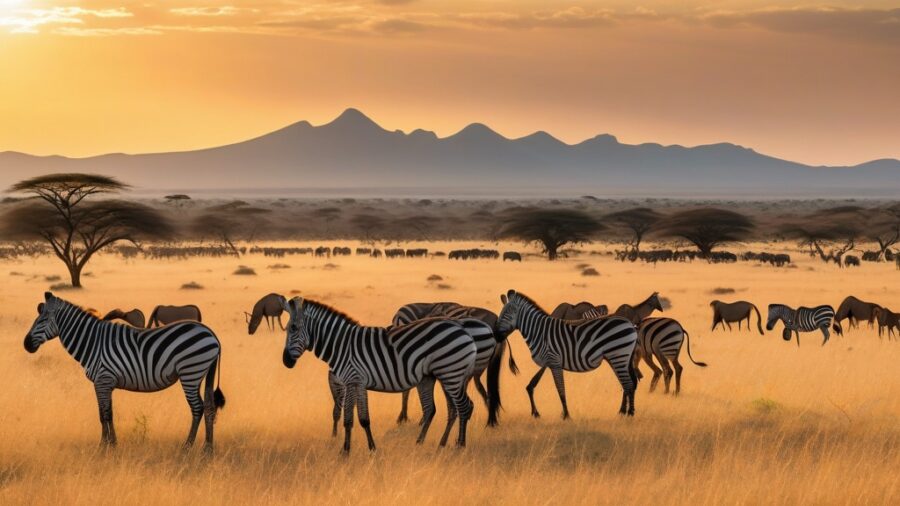
Wildlife Safari Best Destinations: Explore the Majestic Wilderness
When it comes to experiencing the beauty of nature and the thrill of wildlife, few adventures can rival a wildlife safari. This article explores the best destinations for wildlife safaris around the world, promising an unforgettable journey through some of nature’s most incredible landscapes. From the vast savannas of Africa to the unique geothermal features of the United States, each destination offers distinct wildlife experiences that attract adventurers year-round.
Readers will discover not only the stunning locations but also the unique wildlife, cultural interactions, and conservation efforts that define each area. Whether you are a seasoned traveler or planning your first safari, this guide provides comprehensive insights to help you choose the perfect destination for your wildlife adventure.
Prepare to immerse yourself in the wonders of nature as we delve into some of the most renowned wildlife safari locations, highlighting what makes each an extraordinary choice. Get ready to explore the majestic Serengeti in Tanzania, the iconic Maasai Mara in Kenya, and more as we embark on this thrilling journey.
Serengeti National Park, Tanzania
Overview of the Park
Serengeti National Park, established in 1951, is one of the most famous wildlife reserves in the world. Spanning over 14,763 square kilometers, the park is renowned for its incredible biodiversity and the annual migration of over 1.5 million wildebeest and hundreds of thousands of zebras. This phenomenon, known as the Great Migration, occurs between May and July, attracting visitors from all corners of the globe.
The park’s diverse ecosystems range from open grasslands and woodlands to riverine forests and kopjes, providing habitats for a multitude of species. Visitors can expect to see iconic African wildlife such as lions, elephants, giraffes, and cheetahs. The park is also home to over 500 bird species, making it a paradise for birdwatchers.
Best Time to Visit
The timing of your visit to Serengeti National Park is crucial to experiencing the best of what it has to offer. The dry season, from June to October, is considered the best time for wildlife viewing as animals congregate around water sources. However, the wet season, particularly from November to March, offers a different aspect of the park, with lush landscapes and newborn animals. Each season has its unique allure, making it essential for visitors to understand their wildlife interests before planning their trip.
Safari Experiences
Serengeti National Park offers a variety of safari experiences to cater to different visitor preferences. Game drives are the most popular choice, allowing tourists to explore the park in comfort while witnessing wildlife in their natural habitats. For those seeking adventure, hot air balloon safaris provide a breathtaking aerial view of the vast landscape and an unforgettable experience as you float over the savannah at sunrise.
- Game Drives: Guided tours in 4×4 vehicles.
- Walking Safaris: Experience the wilderness up close with expert guides.
- Hot Air Balloon Safaris: A unique aerial view of the savannah.
Maasai Mara, Kenya
Unique Wildlife Viewing
Maasai Mara National Reserve, located in southwestern Kenya, is renowned for its exceptional wildlife viewing opportunities. The park is part of the larger Serengeti ecosystem and is famous for the same Great Migration. Additionally, the Mara is home to an abundance of wildlife year-round, including the Big Five: lions, elephants, buffalo, leopards, and rhinoceros.
The diverse habitats of the Maasai Mara, including open savannas, riverine forests, and acacia woodlands, support a rich variety of species. Visitors can witness thrilling predator-prey interactions, particularly during the migration season when wildebeests cross the perilous Mara River, attracting crocodiles and lions.
Cultural Interactions
One of the unique aspects of visiting the Maasai Mara is the opportunity for cultural interactions with the Maasai people, a semi-nomadic tribe known for their vibrant culture and traditions. Many lodges and tour operators offer visits to Maasai villages, where guests can learn about traditional customs, crafts, and lifestyle. This cultural immersion adds a fascinating dimension to the safari experience, allowing visitors to appreciate the rich heritage of the region.
Accommodations
The Maasai Mara boasts a range of accommodations to suit various budgets and preferences, from luxury lodges to budget campsites. Many lodges are strategically located near wildlife hotspots, providing easy access to the best game viewing areas. Visitors can choose from tented camps that offer an authentic safari experience to upscale lodges with modern amenities and fine dining.
| Accommodation Type | Experience | Price Range (per night) |
|---|---|---|
| Tented Camps | Authentic safari experience | $100 – $300 |
| Safari Lodges | Luxury with modern amenities | $300 – $600 |
| Luxury Camps | Exclusive and premium services | $600+ |
Kruger National Park, South Africa
Diverse Ecosystems
Kruger National Park is one of Africa’s largest game reserves, covering an area of approximately 19,485 square kilometers. Established in 1898, the park features a variety of ecosystems, including savannahs, woodlands, and riverine forests, which support a rich biodiversity. The park is home to over 147 mammal species, including the Big Five, as well as numerous bird species, reptiles, and plants.
The diverse habitats within Kruger allow for a wide range of safari experiences. Visitors can explore the park on guided game drives, self-drive safaris, or walking safaris, making it accessible to all types of travelers. The park’s extensive network of roads ensures that visitors can easily navigate and discover the many wonders it has to offer.
Self-Drive Safaris
One of the unique features of Kruger National Park is the option to embark on self-drive safaris. This allows visitors to explore the park at their own pace, providing a sense of adventure and freedom. Self-drive safaris are particularly popular among families and groups, as it offers a more personalized experience. Visitors can stop at various lookout points, picnic sites, and rest camps to enjoy the breathtaking scenery and wildlife encounters.
Conservation Efforts
Kruger National Park is not only a prime safari destination but also a significant site for conservation efforts in South Africa. The park is involved in various initiatives aimed at protecting endangered species and preserving the delicate ecosystems within its borders. Conservation programs focus on anti-poaching measures, habitat restoration, and community engagement, ensuring that future generations can continue to enjoy this natural wonder.
- Anti-Poaching Initiatives: Efforts to protect endangered species.
- Community Engagement: Involving local communities in conservation.
- Research Programs: Studying wildlife and ecosystems for better management.
Chobe National Park, Botswana
River Safaris
Chobe National Park, located in northern Botswana, is renowned for its stunning river landscapes and abundant wildlife. The park is home to one of the largest elephant populations in Africa, with an estimated 120,000 elephants residing within its borders. One of the most popular ways to explore Chobe is through river safaris on the Chobe River, offering a unique perspective on the wildlife as they come to drink and bathe.
River safaris provide opportunities to see not only elephants but also hippos, crocodiles, and a variety of bird species. As you glide along the river, you can witness breathtaking sunsets and enjoy the tranquility of the African wilderness.
Elephant Population
The elephant population in Chobe National Park is a significant draw for wildlife enthusiasts. These majestic creatures can often be seen in large herds, particularly during the dry season when they congregate around water sources. The park’s conservation efforts have been successful in protecting this population, and visitors have the chance to see elephants up close in their natural habitat.
Photographic Opportunities
Chobe National Park is a photographer’s paradise, offering breathtaking landscapes and stunning wildlife encounters. The combination of lush vegetation along the riverbanks and the diverse animal species provides endless opportunities for capturing incredible images. Many tour operators offer specialized photography safaris, where guides assist in finding the best vantage points for stunning shots.
| Safari Type | Highlights | Best Time |
|---|---|---|
| River Safari | Close encounters with elephants and birds | May – October |
| Game Drive | Big Five and diverse wildlife | All year round |
| Walking Safari | Intimate experiences with nature | April – October |
Yellowstone National Park, USA
Unique Geography
Yellowstone National Park, established in 1872, is the first national park in the world and is renowned for its unique geothermal features and stunning landscapes. The park covers over 3,400 square miles and is situated atop a volcanic hotspot. Visitors can witness geysers, hot springs, and colorful mineral pools, making it a geological wonder.
In addition to its geothermal attractions, Yellowstone is home to diverse ecosystems, including forests, rivers, and lakes. The combination of these features creates a rich habitat for various wildlife species, making it an excellent destination for those seeking a different kind of safari experience away from the traditional African landscape.
Wildlife Diversity
Yellowstone National Park is home to an impressive variety of wildlife, including bison, elk, grizzly bears, wolves, and more. The park is one of the best places in the United States to observe these animals in their natural habitats. The presence of large herbivores like bison and elk also supports a healthy predator population, creating a dynamic ecosystem.
The best times for wildlife viewing in Yellowstone are during the spring and fall when animals are most active. Early mornings and late evenings are particularly fruitful for spotting wildlife, as animals venture out to feed during these cooler times of the day.
Visitor Tips
For those planning a visit to Yellowstone, there are several tips to enhance your experience. First, it is essential to remember that wildlife is unpredictable, so maintaining a safe distance is crucial. Visitors should also be prepared for varying weather conditions, as temperatures can fluctuate dramatically in the park.
- Stay Safe: Always keep a safe distance from wildlife.
- Plan Ahead: Check road conditions and park alerts.
- Pack Accordingly: Bring layers for changing weather.
Conclusion
In conclusion, the world offers a plethora of incredible wildlife safari destinations that cater to every type of traveler. From the iconic Serengeti and Maasai Mara in Africa to the unique landscapes of Yellowstone National Park in the United States, each location provides unparalleled opportunities to connect with nature and witness the wonders of wildlife. As we have seen, understanding the best times to visit, the experiences available, and the conservation efforts in place can greatly enhance your safari adventure.
Whether you seek the thrill of the Great Migration, the serenity of river safaris, or the unique geography of national parks, there is a wildlife safari destination that is perfect for you. Embrace the call of the wild and embark on a journey to discover the beauty of our planet’s most magnificent creatures.
FAQ
1. What is the best time to go on a wildlife safari?
The best time for a wildlife safari often depends on the destination. In general, the dry season is ideal for wildlife viewing as animals gather around water sources. For instance, in Tanzania’s Serengeti, the dry months from June to October are considered prime time.
2. Do I need vaccinations before going on a safari?
Yes, it is advisable to consult with a healthcare professional regarding vaccinations before traveling to areas where wildlife safaris are conducted. Common vaccinations may include those for yellow fever, hepatitis A, and typhoid.
3. How can I ensure a safe wildlife viewing experience?
To ensure a safe wildlife viewing experience, always maintain a safe distance from animals, follow guidelines provided by your guides, and avoid approaching wildlife on foot. It’s important to respect their space and observe them from a safe vantage point.
4. What should I pack for a wildlife safari?
When packing for a wildlife safari, be sure to include lightweight, breathable clothing, a hat, sunscreen, binoculars, and a good camera. Also, consider packing insect repellent and a reusable water bottle to stay hydrated.
5. Are there family-friendly safari options available?
Yes, many safari destinations offer family-friendly options, including lodges and camps that cater to children. Activities like guided nature walks, educational programs, and safari games can make the experience enjoyable and educational for the whole family.
Recap
- Serengeti National Park is famous for the Great Migration and diverse wildlife.
- Maasai Mara offers unique cultural interactions and exceptional wildlife viewing.
- Kruger National Park allows for self-drive safaris and has strong conservation efforts.
- Chobe National Park is known for its river safaris and large elephant population.
- Yellowstone National Park features unique geothermal landscapes and diverse wildlife.
- Each destination has its best visiting times and unique experiences.
- Wildlife safaris provide opportunities to connect with nature and support conservation.
- Planning and preparation enhance the overall safari experience.