
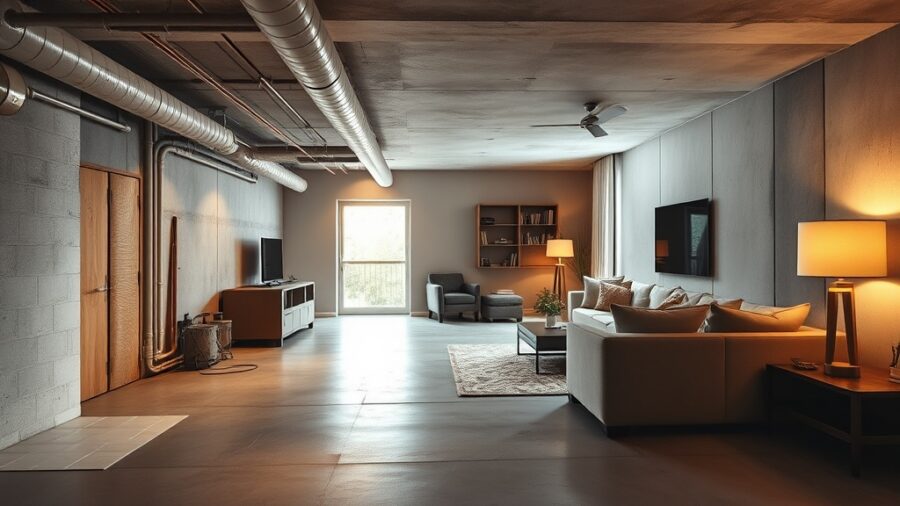
Introduction to Basement Renovation
Renovating a basement into a livable space is a growing trend among homeowners looking to maximize their property’s potential. This process not only enhances the overall value of a home but also provides additional functional areas that can be used for various purposes, such as guest rooms, entertainment spaces, or home offices. In this guide, we will explore the essential aspects of basement renovation, focusing on how to transform these often-neglected areas into inviting and usable living spaces.
Understanding the nuances of basement renovation is crucial for anyone considering this project. From the initial planning stages to the final touches, there are numerous factors to consider, including structural integrity, moisture control, and compliance with local building codes. This article aims to provide you with a comprehensive overview of what is required to create a successful basement renovation, emphasizing how to create a livable space that meets both aesthetic and functional needs.
As we delve into this topic, you will learn about the requirements for livable spaces, the importance of designing functional areas, and how to choose the right materials for your renovation project. Additionally, we will cover safety measures, budgeting tips, and transformative ideas that can turn your basement into a truly livable space.
Understanding Livable Space Requirements
Before embarking on a basement renovation project, it is essential to understand the specific requirements that define a livable space. Local building codes may vary, but there are general guidelines that homeowners should follow to ensure safety and comfort. A livable basement typically must have adequate ceiling height, proper ventilation, and sufficient egress in case of emergencies.
Ceiling Height Regulations
Ceiling height is one of the most critical factors in determining whether a basement can be classified as livable. Most building codes require a minimum ceiling height of 7 feet. In some cases, if the ceiling height falls below this threshold, homeowners may need to consider lowering the floor or raising the ceiling, which can add to renovation costs.
Ventilation and Natural Light
Proper ventilation is vital for maintaining air quality in a basement. Homeowners should ensure that their renovated space has adequate windows and ventilation systems to prevent mold and mildew growth. Natural light also plays a significant role in making a basement feel more inviting. Incorporating larger windows or even a walkout feature can help improve the livability of the space.
Designing Functional Areas in Your Basement
Designing functional areas in your basement is crucial for maximizing its usability. By carefully planning the layout and purpose of each section, homeowners can create a space that meets their specific needs while still being aesthetically pleasing. Common uses for renovated basements include family rooms, play areas, guest suites, and home offices.
Defining Zones for Different Activities
It is essential to define specific zones within the basement for different activities. For instance, if the basement will serve as a family entertainment room, consider incorporating a home theater setup, comfortable seating, and a game area. Conversely, if the space will function as a guest suite, prioritize privacy and comfort with a separate bedroom and bathroom.
Incorporating Storage Solutions
One of the significant advantages of a basement renovation is the potential for additional storage. Homeowners should think about incorporating built-in shelving, cabinets, and clever storage solutions that help keep the space organized and clutter-free. A well-organized basement enhances its functionality and livability.
Choosing the Right Materials for Renovation
Selecting the right materials is a fundamental part of basement renovation. The materials you choose will affect not only the aesthetic appeal of the space but also its durability and functionality. It’s crucial to select materials that can withstand the unique challenges of a basement environment, including moisture and temperature fluctuations.
Waterproofing and Insulation
Before selecting finishes, ensure that the basement is properly waterproofed and insulated. This can help prevent water damage and mold growth, which are common issues in basements. Consider using high-quality waterproof paint, vapor barriers, and insulation materials designed specifically for below-grade applications.
Durable Flooring Options
Flooring is another critical aspect of basement renovation. Homeowners should opt for durable and moisture-resistant flooring options. Popular choices include vinyl plank flooring, tile, and engineered hardwood, which can withstand humidity while providing a warm and inviting look. Each material has its advantages, so consider factors such as maintenance and comfort underfoot.
Planning for Safety and Compliance
Safety is paramount in any renovation project, especially when converting a basement into livable space. It is essential to adhere to local building codes and regulations to ensure that the renovation meets safety standards. This includes proper electrical work, plumbing, and fire safety measures.
Electrical and Plumbing Considerations
When planning your basement renovation, it’s vital to hire licensed professionals for electrical and plumbing work. This ensures that all installations comply with safety codes. For example, basements may require additional outlets, lighting, and even plumbing for bathrooms or kitchens, which must be installed correctly to prevent hazards.
Fire Safety Measures
Implementing fire safety measures in a basement renovation is crucial. This includes installing smoke detectors, ensuring proper egress windows, and using fire-resistant materials. Homeowners should also create an emergency exit plan to ensure that everyone knows how to evacuate in case of an emergency.
Budgeting for Your Basement Renovation
Establishing a realistic budget is a vital step in the planning process for a basement renovation. Costs can vary significantly based on the scope of the project, the materials used, and the labor involved. Homeowners should prepare for both expected and unexpected expenses as they plan their renovations.
Estimating Costs and Setting Priorities
It can be helpful to break down the renovation costs into categories such as materials, labor, permits, and contingencies. Homeowners should prioritize essential elements of the renovation, such as structural repairs and waterproofing, before investing in aesthetic upgrades. This ensures that the most critical aspects are addressed first.
Financing Options for Renovation Projects
Homeowners may explore various financing options for their basement renovation projects, including home equity loans, personal loans, or renovation-specific loans. Understanding the pros and cons of each option can help homeowners make informed decisions regarding their financing strategy.
Transformative Ideas for Basement Spaces
With careful planning and creativity, a basement can be transformed into a stunning livable space. There are numerous design ideas that can elevate a basement from a simple storage area to a stylish and functional part of the home. Here are some transformative ideas to consider.
Creating an Open Concept Layout
Open concept layouts are popular in modern home design and can be effectively applied to basement renovations. Removing unnecessary walls can create a sense of spaciousness and flow, making the basement feel less claustrophobic. This layout allows for various functional areas to coexist harmoniously.
Incorporating Multi-Functional Furniture
Incorporating multi-functional furniture can maximize the usability of a basement space. For instance, consider using a sofa bed for a guest room or a coffee table with hidden storage. These versatile pieces can help maintain a clean and organized environment while providing essential functions.
Conclusion and Key Takeaways
Transforming a basement into a livable space is a rewarding endeavor that can significantly enhance a home’s value and functionality. Throughout this guide, we have covered essential elements, including understanding livable space requirements, designing functional areas, and choosing the right materials, all while ensuring safety and compliance.
By carefully planning your renovation, budgeting appropriately, and implementing creative design ideas, you can create a basement that truly serves your needs. Remember, a successful basement renovation requires attention to detail and a focus on usability, ensuring that the space is both inviting and practical.
Frequently Asked Questions about Basement Renovation
1. What is the first step in renovating a basement?
The first step in renovating a basement is to assess its current condition and determine its potential for transformation. This includes checking for any water damage, structural issues, and understanding local building codes.
2. How much does a basement renovation typically cost?
The cost of a basement renovation can vary widely depending on factors such as size, scope, and materials used. On average, homeowners can expect to spend between $20,000 and $50,000 for a complete renovation.
3. Do I need a permit to renovate my basement?
Most local jurisdictions require permits for basement renovations, especially if you are making structural changes or adding plumbing and electrical systems. Always check with your local building authority before starting your project.
4. How can I prevent moisture issues in my basement?
Preventing moisture issues involves proper waterproofing techniques, such as installing a sump pump, using vapor barriers, and ensuring good drainage around the foundation. Regular maintenance and monitoring are also essential.
5. What are some popular uses for renovated basements?
Renovated basements are often transformed into family rooms, guest suites, home offices, or recreational spaces. The versatility of basements allows homeowners to tailor the space to their specific needs and lifestyle.
- Understanding local building codes is essential for compliance.
- Define specific functional areas to maximize usability.
- Choose moisture-resistant materials to combat basement challenges.
- Incorporate safety measures, such as smoke detectors and egress windows.
- Establish a realistic budget and explore financing options.
- Consider open concept layouts for a spacious feel.
- Utilize multi-functional furniture to enhance space efficiency.
- Regular maintenance helps prevent moisture and structural issues.