
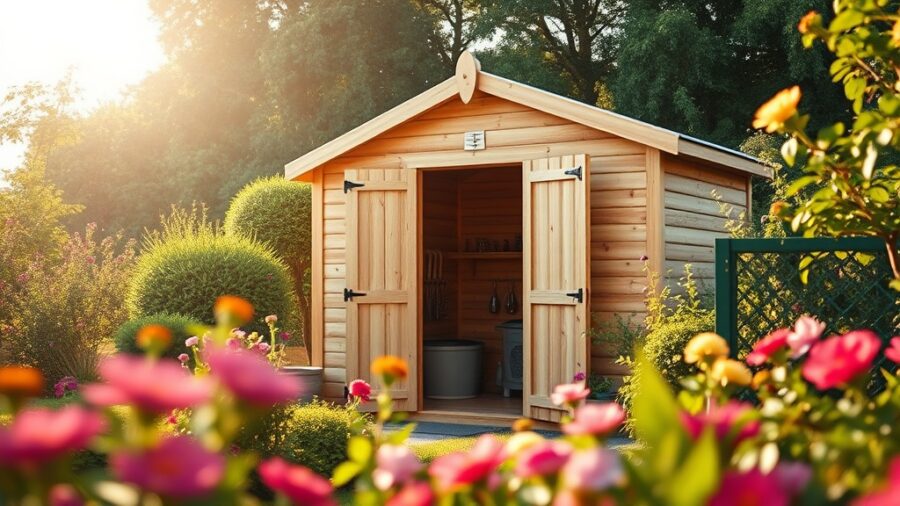
Shed Building Garden Storage: Your Complete Guide
Building a shed for garden storage is a rewarding project that not only enhances your garden’s functionality but also adds value to your property. Whether you’re a seasoned DIY enthusiast or a beginner, understanding the essentials of shed building garden storage can empower you to create a space that meets your specific needs. This comprehensive guide will walk you through the entire process, from choosing the right location to maintaining your shed for longevity.
In this article, you will learn about the fundamental aspects of shed construction, including the essential tools you need, the best materials to use, and how to effectively plan and design your shed. We will also discuss innovative storage solutions that can maximize your space, ensuring that your shed is both functional and aesthetically pleasing.
Let’s embark on this journey to transform your garden with a well-built shed that not only provides ample storage but also complements your outdoor environment.
Understanding Shed Building Basics
What is a Shed?
A shed is a small, single-story structure usually found in a backyard or garden, designed for storage or other practical uses. Sheds can serve various purposes, including storing gardening tools, outdoor furniture, or even serving as a workspace. Understanding what type of shed you need is crucial before beginning the building process.
Types of Sheds
There are several types of sheds you can consider:
- Garden Sheds: Primarily used for storing gardening tools and supplies.
- Tool Sheds: Designed for larger tools and equipment.
- Workshops: A dedicated space for DIY projects and hobbies.
- Playhouses: Designed for children to use as a play area.
Choosing the right type of shed will depend on your specific storage needs and how you plan to use the space.
Choosing the Right Location for Your Shed
Factors to Consider
The location of your shed is critical to its functionality and accessibility. Consider factors such as sunlight, drainage, and proximity to your home. Ideally, position your shed in a shaded area to protect it from direct sunlight, which can cause materials to deteriorate faster. Additionally, ensure that the ground is level and well-drained to prevent water accumulation.
Accessibility and Visibility
Accessibility is another important factor when selecting a location for your shed. A site that is easy to access will encourage you to use the shed more frequently. Consider how often you will need to enter the shed and make sure it’s visible to avoid any safety concerns. Ideally, it should be in a location that allows for easy movement of tools and materials to and from the shed.
Selecting Appropriate Materials for Your Shed
Wood vs. Metal vs. Plastic
Choosing the right materials for your shed is vital for its durability and appearance. The three most common materials are wood, metal, and plastic. Each has its pros and cons:
- Wood: Offers aesthetic appeal and is easy to customize. However, it requires regular maintenance to prevent rot and pests.
- Metal: Extremely durable and often less expensive, but can be susceptible to rust if not properly treated.
- Plastic: Lightweight and resistant to rot, but may not have the same structural integrity as wood or metal.
Choosing the Right Wood
If you opt for wood, consider using pressure-treated lumber, which resists decay and pests. Cedar and redwood are also excellent options due to their natural resistance to moisture. Remember, the choice of material will directly impact your shed’s maintenance needs and lifespan.
Planning and Designing Your Shed
Creating a Blueprint
Before starting your project, it’s essential to create a detailed blueprint of your shed. This plan should include dimensions, layout, and any additional features such as windows or shelving. A good blueprint will guide you through the construction process, ensuring that you don’t miss any crucial steps.
Incorporating Functionality
While designing your shed, think about how you will use the space. Consider adding shelves, hooks, or pegboards for better organization. Additionally, plan for electrical outlets if you intend to use power tools or lighting. This foresight can significantly improve the functionality of your shed.
Essential Tools for Shed Building
Basic Tools Required
Before starting your shed building project, gather all the essential tools you will need. Here’s a list of basic tools to consider:
- Measuring tape
- Level
- Hammer
- Power drill
- Saw (hand saw or power saw)
- Safety goggles
Advanced Tools for Efficiency
If you want to streamline your building process, consider investing in advanced tools such as a circular saw and a nail gun. These tools can help you save time and effort, allowing for a smoother construction experience. Always prioritize safety and ensure compliance with local building regulations.
Step-by-Step Guide to Building Your Shed
Foundation and Floor
The first step in building your shed is to create a solid foundation. A concrete slab is one of the most durable options, providing a strong base that can withstand the elements. Alternatively, you can use pressure-treated wood beams or concrete blocks for a raised foundation.
Walls and Roof Construction
Once the foundation is set, begin constructing the walls. Use 2×4 lumber for framing, ensuring that each wall is square and level. After the walls are up, proceed to frame the roof. Gable roofs are popular due to their ease of construction and effective drainage. Cover the roof with shingles or metal roofing material for lasting protection.
Incorporating Storage Solutions
Maximizing Vertical Space
To make the most of your shed’s interior, incorporate vertical storage solutions. Shelving units, wall-mounted hooks, and pegboards can help you utilize space efficiently. Consider adjustable shelves to accommodate different sizes of tools and equipment.
Innovative Storage Ideas
Think creatively about storage options. For instance, you could use old pallets to create vertical gardens on the walls or repurpose jars and containers for organizing smaller items. These innovative solutions not only maximize space but also add character to your shed.
Maintaining Your Shed for Longevity
Regular Inspections
Once your shed is built, it’s important to maintain it regularly. Conduct inspections at least twice a year to check for signs of wear and tear. Look for cracks in the foundation, rust on metal surfaces, and any signs of pest infestations.
Seasonal Maintenance Tips
In addition to regular inspections, perform seasonal maintenance. In the fall, ensure that gutters and downspouts are clear of debris. In the winter, check for snow buildup on the roof to prevent damage. Taking these steps can significantly prolong your shed’s lifespan.
Conclusion
Building a shed for garden storage is a fulfilling project that offers numerous benefits. By understanding the basics of shed building, choosing the right location and materials, and incorporating effective storage solutions, you can create a functional and attractive space. Regular maintenance will ensure that your shed remains a valuable asset for years to come.
Whether you are looking to enhance your garden’s organization or create a dedicated workspace, the knowledge gained from this guide will help you create a shed that meets your needs. Embrace the process, and enjoy the satisfaction of a job well done.
FAQ
1. What is the typical cost of building a shed?
The cost of building a shed can vary widely based on size, materials, and location but typically ranges from $1,000 to $5,000. Customizations and additional features can increase this cost.
2. Do I need a permit to build a shed?
In many areas, a permit is required to build a shed. Check with your local regulations to determine what is necessary for your project.
3. How long does it take to build a shed?
The time to build a shed can range from a few days to several weeks, depending on the complexity of the design and your level of experience. Planning and preparation can significantly reduce construction time.
4. What are the best materials for a shed roof?
Metal roofing and asphalt shingles are among the best materials for shed roofs, offering durability and weather resistance. Choose a material that complements your overall design and local climate conditions.
5. How can I increase the lifespan of my shed?
Regular maintenance, such as inspections, cleaning, and repairing any damage promptly, can significantly increase the lifespan of your shed. Additionally, using quality materials from the outset will also contribute to longevity.
Recap
- Understanding shed types is crucial for your project.
- Choosing the right location enhances functionality.
- Material selection impacts shed longevity and maintenance.
- Effective planning and design are key to a successful build.
- Essential tools can streamline the construction process.
- Incorporating innovative storage solutions maximizes space.
- Regular maintenance is vital for extending your shed’s life.
- A well-built shed adds value and organization to your garden.