
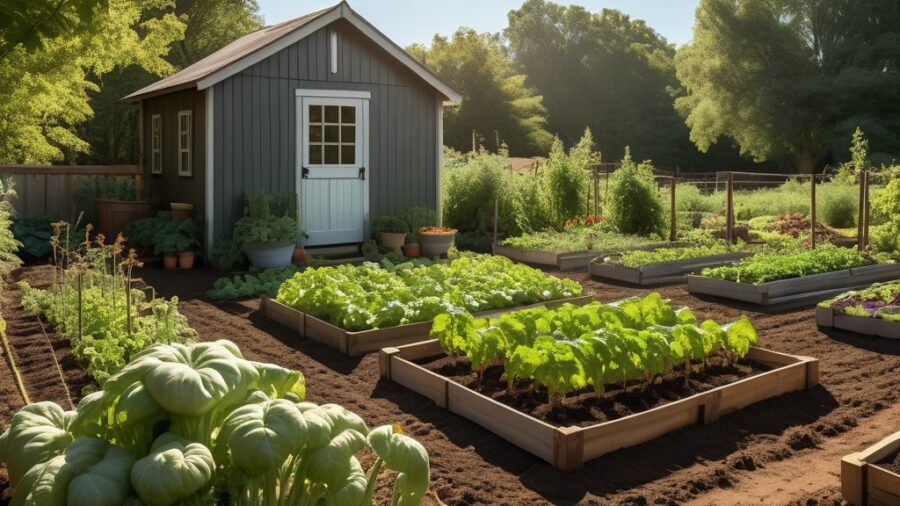
Ultimate Vegetable Garden Beginner Guide: Cultivating Your Green Thumb
Starting a vegetable garden can be an immensely rewarding experience, especially for beginners eager to embrace the joys of homegrown produce. This vegetable garden beginner guide will provide you with essential tips and step-by-step processes to ensure your gardening journey is successful. Whether you have a spacious backyard or a small balcony, you can grow a variety of vegetables that suit your space and lifestyle.
In this guide, you will learn about the best practices for choosing the right location, understanding soil requirements, selecting vegetables that are easy to grow, and maintaining your garden throughout the seasons. Additionally, you will discover effective watering techniques, pest control methods, and the right timing for harvesting your vegetables. With a bit of patience and care, you will soon be enjoying the fruits of your labor.
So, roll up your sleeves, grab your gardening tools, and let’s delve into the vibrant world of vegetable gardening. You will find practical advice and insights that will empower you to create a flourishing garden, even if you are starting from scratch.
Choosing the Right Location for Your Garden
Assessing Sunlight Requirements
One of the most critical factors in establishing a successful vegetable garden is choosing a location that receives adequate sunlight. Most vegetable plants thrive best in areas that receive at least 6-8 hours of direct sunlight each day. Observing your yard or balcony throughout the day can help you identify the spots that receive the most light. Consider placing your garden in a south-facing area to maximize exposure to sunlight.
Considering Accessibility and Convenience
Your garden should not only be in a sunny spot but also easily accessible for regular maintenance. Ensure that the chosen location is close enough to your water source and easily reachable for tasks such as weeding, watering, and harvesting. If you have limited mobility or a busy schedule, consider incorporating raised garden beds or container gardening to simplify access and care.
Understanding Soil and Fertilization
Types of Soil and Their Importance
The foundation of any healthy vegetable garden lies in the soil. Different types of soil have varied textures, nutrient content, and drainage capabilities. The ideal garden soil is a mix of loam, which is a combination of sand, silt, and clay. Loamy soil retains moisture while providing adequate drainage and aeration for plant roots.
Testing and Amending Your Soil
Before planting, it’s essential to test your soil to understand its pH and nutrient levels. Home testing kits can provide insights into the soil’s composition. Depending on the results, you may need to amend your soil with organic matter such as compost, peat moss, or well-rotted manure. Adding these materials not only improves soil fertility but also enhances its structure and drainage capabilities.
| Soil Type | Characteristics | Best For |
|---|---|---|
| Loamy | Balanced texture, good drainage, and nutrient-rich | Most vegetable crops |
| Clay | Heavy, dense, retains moisture but drains poorly | Root vegetables (with amendments) |
| Sandy | Light, drains quickly, low nutrient retention | Fast-growing crops like radishes |
| Silty | Soft and fertile, retains moisture well | Leafy greens and herbs |
Selecting the Best Vegetables for Beginners
Easy-to-Grow Vegetable Varieties
When starting your vegetable garden, selecting the right crops can make all the difference. Some of the best vegetables for beginners include radishes, lettuce, carrots, and zucchini. These plants are generally forgiving and can yield a bountiful harvest with minimal effort.
Seasonal Considerations for Crop Selection
Understanding the growing seasons will also aid in selecting the right vegetables. Cool-season crops such as spinach and peas can be planted in early spring, while warm-season crops like tomatoes and peppers should be sown after the last frost. Planning your garden around these seasonal cycles will help ensure successful growth and a productive harvest.
Planting Techniques and Timing
Direct Sowing vs. Transplanting
Deciding whether to direct sow seeds into the garden or transplant seedlings from indoors is a crucial aspect of planting. Direct sowing involves planting seeds directly into the soil, which is often preferable for crops like beans and carrots. Conversely, transplanting is beneficial for crops that require a longer growing season, such as tomatoes and peppers, allowing you to get a head start on the growing timeline.
Understanding Planting Depth and Spacing
Each type of vegetable has specific requirements regarding planting depth and spacing. For instance, seeds should generally be planted at a depth of about twice their size. Proper spacing between plants is equally important to ensure adequate air circulation and nutrient access. Overcrowding can lead to poor growth and increased susceptibility to pests and diseases.
Watering and Maintenance Essentials
Establishing a Watering Schedule
Watering is a vital component of maintaining a healthy vegetable garden. Most vegetables require about 1 inch of water per week, whether from rainfall or irrigation. Establishing a consistent watering schedule will help ensure that your plants receive the moisture they need without becoming waterlogged.
Mulching for Moisture Retention
Applying mulch around your plants can significantly aid in moisture retention, reduce weeds, and regulate soil temperature. Organic materials like straw, grass clippings, or wood chips work well as mulch. Apply a layer of about 2-3 inches around your plants while avoiding direct contact with stems to prevent rot.
Pest Control Methods for Beginners
Identifying Common Garden Pests
Every gardener will encounter pests at some point. Common garden pests include aphids, caterpillars, and beetles. Learning to identify these pests early can help you take action before they cause significant damage. Regularly inspecting your plants will allow you to catch infestations in their infancy.
Natural Pest Control Methods
For beginners, natural pest control methods are often the safest and most effective. Techniques such as introducing beneficial insects like ladybugs and using organic insecticidal soaps can help manage pest populations without harming the environment. Additionally, practicing crop rotation can reduce pest and disease cycles in your garden.
Harvesting Your Vegetables
When to Harvest
Knowing when to harvest your vegetables is crucial for ensuring peak flavor and nutrition. Each vegetable has its specific maturity indicators. For instance, tomatoes should be harvested when they are fully colored and slightly soft to the touch, while carrots can be harvested when they reach a desirable size, typically around 1 inch in diameter.
Proper Harvesting Techniques
Using the right harvesting techniques will help prevent damage to the plants. For most vegetables, it is best to use a sharp knife or garden shears to cut them from the plant. Handle the produce gently to avoid bruising, and be sure to remove any dead or damaged leaves to promote further growth.
Conclusion
Starting a vegetable garden can be both exciting and challenging, especially for beginners. By following this vegetable garden beginner guide, you will lay a solid foundation for your gardening journey. From choosing the right location and understanding soil needs to selecting easy-to-grow vegetables and implementing effective maintenance practices, you are now equipped with the knowledge to cultivate a thriving garden.
Remember that gardening is a learning experience, and each season will bring new challenges and rewards. Embrace the process, stay curious, and enjoy the fruits of your labor as you create your own green sanctuary.
FAQ
1. What vegetables are best for beginner gardeners?
Some of the best vegetables for beginners include radishes, lettuce, carrots, and zucchini. These plants are relatively easy to grow and can provide quick results, helping to build confidence in new gardeners.
2. How often should I water my vegetable garden?
Most vegetable plants require about 1 inch of water per week. This can come from rainfall or irrigation, so establishing a consistent watering schedule is essential for plant health.
3. What type of soil is best for growing vegetables?
The ideal soil for vegetables is loamy soil, which is a mix of sand, silt, and clay. This type of soil retains moisture while providing excellent drainage and nutrients for healthy plant growth.
4. How can I control pests in my vegetable garden?
Natural pest control methods, such as introducing beneficial insects and using organic insecticidal soaps, can effectively manage pest populations. Regular monitoring and practicing crop rotation can also help reduce pest issues.
5. When is the best time to harvest my vegetables?
Harvesting times vary by vegetable; for example, tomatoes should be picked when fully colored and slightly soft, while carrots can be harvested when they reach about 1 inch in diameter. Knowing the specific indicators for each crop will help ensure optimal flavor and nutrition.
- Choose a sunny location with at least 6-8 hours of sunlight.
- Test and amend your soil for optimal nutrient levels.
- Select easy-to-grow vegetables for your first garden.
- Establish a consistent watering schedule to support plant health.
- Utilize natural pest control methods to protect your crops.
- Know when to harvest for the best flavor and quality.
- Embrace the learning process and enjoy the journey of gardening.
- Consider the seasons when planning your vegetable variety selection.