
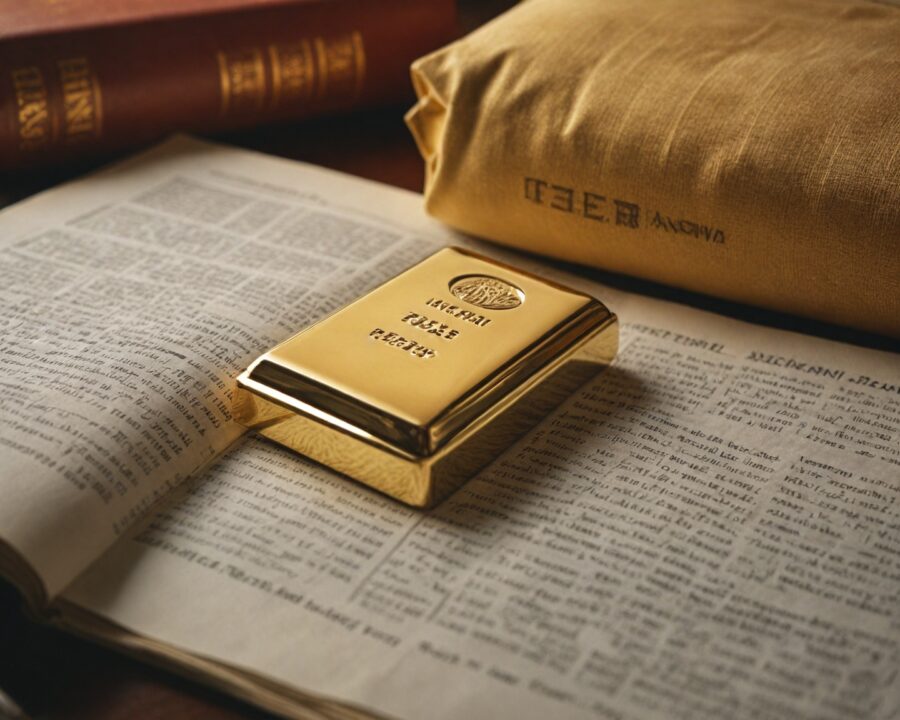
Understanding 24K gold is crucial for anyone interested in investing in precious metals. This article delves into the various aspects of 24K gold, providing a comprehensive guide for potential investors and jewelry enthusiasts alike. Known for its purity and rich legacy, 24K gold holds a significant position in the world of precious metals. From being a symbol of wealth and prosperity to serving as a solid investment option, understanding its characteristics and uses can greatly benefit anyone looking to include it in their portfolio.
In this article, we will explore the defining features of 24K gold, its applications both in jewelry and industry, and why it remains an attractive investment. Additionally, practical tips on purchasing and maintaining 24K gold will be discussed, alongside insights into its role in global markets. Whether you’re looking to invest in gold bullion or simply appreciating its beauty in jewelry, the following information will equip you with the knowledge to make informed decisions.
What is 24K Gold and How is it Defined?
24K gold is the purest form of gold available on the commercial market, consisting of 99.9% gold without any alloyed metals. This high level of purity means that 24K gold is soft and malleable, traditionally valued for its natural beauty and luster. It is often the standard against which other gold products are measured, especially in terms of purity and quality.
The term “karat” (denoted by “K”) is used to describe the purity of gold, with 24 karats signifying pure gold. Unlike lower-karat gold, which contains a mix of gold and other metals, 24K is free from impurities. This purity is what gives 24K gold its exceptional yellow color, setting it apart from the softer, more muted tones of lower-karat gold.
Understanding these basic definitions helps in distinguishing between the various types of gold available in the market. Those who prioritize purity and intrinsic value often prefer 24K gold due to its high-grade quality and lack of alloy content. Knowing the distinctions between karats ensures that buyers can make more knowledgeable purchases whether they are acquiring gold as jewelry or investment.
The Purity and Characteristics of 24K Gold
The hallmark of 24K gold is its purity, which is its primary characteristic making it desirable for many uses. Because it is 99.9% pure, it does not tarnish or corrode over time, maintaining its appearance and intrinsic value indefinitely. This purity lends itself to a characteristic brightness and rich yellow gold hue that is unmistakably luxurious.
However, the malleability of 24K gold means that it is less durable than other gold alloys. This softness makes it unsuitable for certain types of jewelry that require more structural integrity, such as rings and bracelets which are prone to scratching and bending. Instead, 24K gold is often used for items like necklaces and traditional ornaments where the likelihood of damage is minimized.
Moreover, the high purity of 24K gold translates to a high value per gram, often making it an expensive choice for both consumers and investors. This high cost is compensated by its tangible investment appeal and the prestige associated with owning pure gold. The clarity and unblemished nature of 24K pieces add to the allure and esteem of owning such items, whether for personal adornment or investment purposes.
Common Uses of 24K Gold in Jewelry and Industry
In the realm of jewelry, 24K gold is revered for its undeniable beauty and brilliance. Despite its softness, it is still a popular choice for luxury jewelry and traditional items such as wedding bands, necklaces, and ceremonial pieces in cultures where gold is a symbol of wealth and prosperity. In countries like India and China, 24K gold jewelry is often given as gifts during significant life events such as weddings and festivals.
Apart from jewelry, 24K gold finds its applications in various industrial processes owing to its excellent conductivity and non-reactive properties. It is used in high-end electronics, dental appliances, and even medical instruments. Particularly, its inert nature makes it invaluable in electronics where reliability and longevity are essential. Thin layers of pure gold are also utilized in specialized technology such as space satellites and high-precision scientific apparatus.
The versatility of 24K gold in both aesthetic and practical applications contributes to its sustained demand across different sectors. Despite being less common than other gold forms in industrial use due to its cost, when precision and quality are paramount, 24K gold is the material of choice.
Benefits of Investing in 24K Gold
Investing in 24K gold offers numerous benefits, primarily due to its purity and eternal value. As a financial asset, gold acts as a hedge against inflation and currency fluctuations, providing a stable alternative in volatile markets. This makes gold a preferred choice for investors seeking to diversify their portfolios and mitigate risk.
One of the significant advantages of 24K gold is its liquidity. Gold can be easily bought or sold anywhere in the world, ensuring that investors have access to a reliable store of value that can be converted into cash when necessary. Its universal acceptance means it’s always in demand, providing a consistent return on investment in most economic environments.
Moreover, 24K gold maintains its value over the long term and often appreciates, making it an effective tool for wealth preservation. Unlike fiat currencies, which can depreciate, gold has traditionally retained its purchasing power over centuries. Investors, therefore, view gold as both a safe haven and a strategic addition to an investment portfolio for long-term financial growth.
How to Identify Authentic 24K Gold
Identifying authentic 24K gold relies on specific hallmarking and testing techniques designed to confirm its purity. One of the most common methods is checking for hallmarks, which are typically stamped onto jewelry pieces and bars to indicate quality and manufacturer. Hallmarks often include the karat number and a unique logo that verifies authenticity.
Additionally, individuals can perform a simple acid test, which involves applying a small drop of nitric acid to the gold item. Real 24K gold will not react to the acid, while other metals will change color. This test is often conducted by jewelers or retailers to confirm the purity of the material.
For buyers without the tools to perform such tests, purchasing from reputable dealers and seeking certification from recognized authorities can assure authenticity. These certifications guarantee that the gold meets established karat standards and is free from fraudulent alterations.
Tips for Buying 24K Gold Jewelry or Bullion
When buying 24K gold, whether for adornment or investment, several key considerations can ensure a wise purchase. Firstly, always transact with reputable dealers known for their authenticity and excellence. Check for positive reviews and credentials from industry regulators to avoid counterfeit products.
One should also consider the purpose of the gold purchase. If buying for investment, bullion, and bars that state the exact weight and purity might be preferable. On the other hand, those seeking jewelry should prioritize craftsmanship alongside purity for pieces that hold sentimental and aesthetic value.
Price comparison is crucial too. Always check the current market rate for gold and compare prices across different sellers. Transparency in pricing, including clear communication of any premiums or additional costs, ensures you are making a fair investment. Lastly, request and maintain receipts, certificates, and bills of purchase, which serve as proof of authenticity and facilitate future resale.
The Role of 24K Gold in Global Markets
24K gold plays a fundamental role in global financial markets, acting as both a commodity and a monetary asset. Historically, gold has been used as a basis for currencies, and even today, central banks around the world hold significant quantities of gold in their reserves as part of their monetary policy strategy.
The price of gold on the global market is affected by various factors including geopolitical stability, currency values, inflation rates, and supply and demand dynamics. During times of economic uncertainty, gold prices often rise as investors flock to this “safe haven” asset to protect their wealth.
In addition to being a safe investment, gold’s scarcity and limited supply contribute to its high value, ensuring that it remains a favorable trade asset internationally. Whether it is the movement of bullion among countries or the trading of gold-backed securities, 24K gold continues to be pivotal to trade and economic strategies globally.
Caring for and Maintaining 24K Gold Items
Proper care and maintenance can preserve the beauty and integrity of 24K gold items. Despite its purity, 24K gold is softer than lower-karat gold, making it susceptible to scratches and dents. Handling gold items with care and storing them separately from other jewelry pieces can prevent damage.
Regular cleaning of 24K gold pieces is recommended to maintain their shine. A mild solution of soap and warm water, used with a soft cloth or brush, can effectively clean gold without causing harm. Avoid using harsh chemicals or abrasive materials that may scratch or dull the surface.
Investing in safe storage solutions like jewelry boxes lined with soft materials or security safes for bullion can prevent exposure to environmental elements that may tarnish or damage gold. Ensuring that your gold items are well-cared for will prolong their lifespan and preserve their value for future enjoyment or resale.
Frequently Asked Questions About 24K Gold
What is the value of 24K gold?
24K gold is valued based on its weight and the current market rate for gold. Its high purity means it commands a premium price compared to lower-karat golds.
How can I verify the purity of 24K gold?
Checking for a hallmark or certification from a reputable assayer can confirm the purity of 24K gold. Acid tests and electronic testing devices are also reliable methods.
Is 24K gold suitable for everyday wear?
Due to its softness, 24K gold is not generally recommended for everyday wear, especially for items subject to impact or pressure, like rings and bangles.
Why is 24K gold more expensive than other types?
The higher price is due to its purity and the fact that it is almost entirely gold with no added alloys. It also has intrinsic, aesthetic, and investment value.
Can 24K gold tarnish over time?
No, pure gold does not tarnish or corrode. However, it may lose its luster if not cared for properly over time.
What are the safest ways to invest in 24K gold?
Investing in gold bullion, coins, and gold-backed ETFs are considered safe methods. Ensuring purchases are made through reputable dealers adds security.
How is 24K gold used in industries?
Its non-reactivity and conductivity make it useful in electronics, aerospace, and medical devices where high precision and quality are required.
Does 24K gold have cultural significance?
Yes, in many cultures, especially in Asia, 24K gold holds significant cultural importance and is often used in rituals and as gifts during special occasions.
Practical Steps to Start Investing in 24K Gold
Starting an investment in 24K gold requires strategic planning and knowledge of market conditions. Firstly, define your investment goals, whether it’s for short-term profits, long-term wealth preservation, or diversification of assets. Understand the risks and conduct thorough research on market trends and predictions.
Next, determine the form of gold investment that suits your portfolio. Options include physical gold such as bullion or coins, and financial products like gold certificates and ETFs. Physical gold should be stored securely to ensure its safety.
Lastly, monitor your investments regularly. Keep an eye on market fluctuations and geopolitical events that could affect gold prices. Consulting financial advisors for professional guidance can also help in making informed investment decisions tailored to your financial objectives.
Recap
This article explored the various dimensions of 24K gold, including its definition, characteristics, and uses in both jewelry and industrial applications. We discussed the benefits of investing in 24K gold, along with practical advice for identifying and purchasing authentic gold items. Furthermore, the role of 24K gold in global markets was highlighted, and strategies for maintaining its luster were provided.
Conclusion
Investing in 24K gold has long been considered a prudent financial decision, offering both beauty and security. Its remarkable purity and value make it an enduring option for those looking to hedge against economic instability. Understanding the nuances of 24K gold, from its physical characteristics to its global economic significance, can provide a solid foundation for making informed investment choices.
Moreover, as gold continues to play a pivotal role in cultural and industrial sectors, its demand is predicted to remain stable. Gold not only enriches portfolios but also enriches cultural heritages through its timeless appeal and unparalleled beauty. By taking a careful approach to purchasing and maintaining gold, individuals can ensure that their investments are secure and will stand the test of time.
Ultimately, a well-informed investor is a confident investor. Armed with the knowledge of 24K gold’s benefits and applications, you can engage in gold investments with greater assurance and reap the long-term rewards that this precious metal offers.