
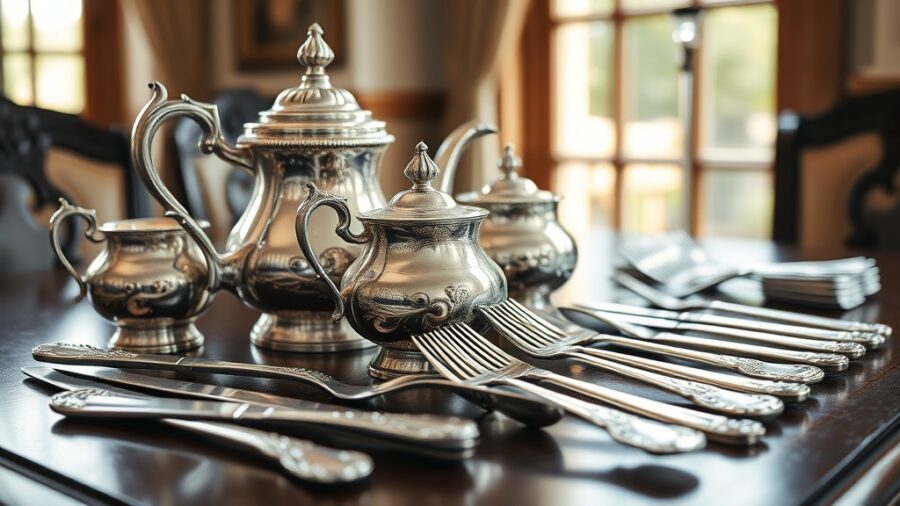
Understanding the Value of Antique Silver Tableware
Antique silver tableware has captivated collectors and enthusiasts for centuries, not only for its beauty but also for its historical significance and value. The silver tableware antique value is determined by various factors, making it essential for collectors to understand what contributes to the worth of these exquisite items. In this comprehensive guide, we will explore the fascinating world of antique silver tableware, discussing its history, the factors that affect its value, and how to assess and care for these valuable pieces.
From elegant tea sets to ornate serving trays, silver tableware has been a symbol of wealth and sophistication throughout history. The craftsmanship involved in creating these items is often unparalleled, reflecting the artistic and cultural values of the time. Understanding the intricacies of silver tableware not only enhances appreciation but also aids in making informed decisions regarding purchases and sales.
As we delve into the topic, you will learn about the historical significance of silver tableware, the various factors that influence its market value, and tips for preserving your collection. Whether you are a seasoned collector or a novice, this article will equip you with the knowledge needed to navigate the world of antique silver tableware effectively.
Historical Significance of Silver Tableware
The Origins of Silver Tableware
The history of silver tableware dates back to ancient civilizations, where silver was revered not only for its beauty but also for its durability and antibacterial properties. The earliest known use of silver was in Mesopotamia around 3000 BC, where it was utilized for making jewelry and utensils. Over the centuries, silver became a staple in royal courts and affluent households, symbolizing wealth and status.
By the Renaissance period, silver tableware had evolved significantly, with artisans creating intricate designs that showcased their skills. Countries such as England, France, and Italy became known for their exceptional silver craftsmanship. For instance, English silversmiths in the 17th century began to produce elaborate pieces, including tankards, spoons, and candelabras, which are highly sought after today.
Silver Tableware in Different Cultures
Throughout history, different cultures have embraced silver tableware, each adding their unique touch. In Asia, particularly in China and India, silver has been used to create ornate serving dishes and ceremonial items that reflect cultural traditions. For example, Indian silverware often features intricate engravings and motifs that tell stories of mythology and folklore.
In the Americas, indigenous tribes created silver items using traditional techniques, which have now become collectibles. The blending of various cultural styles in silver tableware has resulted in a rich tapestry of designs that appeal to a wide range of collectors.
Factors Affecting the Value of Antique Silver Tableware
Maker and Provenance
One of the most significant factors affecting the value of antique silver tableware is the maker. Renowned silversmiths such as Paul Revere, Gorham, and Tiffany & Co. have established reputations that elevate the value of their pieces. Provenance, or the history of ownership, also plays a critical role. Items with a well-documented history or those that belonged to notable figures tend to fetch higher prices at auctions.
For instance, a silver teapot made by a famous maker with a documented history can sell for thousands of dollars, whereas an unnamed piece might only be valued for its silver content. Collectors are often willing to pay a premium for items that come with an interesting backstory.
Condition and Rarity
The condition of silver tableware is another crucial factor in determining its value. Pieces that are well-preserved, free from dents, scratches, or repairs, are more valuable than those in poor condition. Collectors often prefer items that have retained their original patina, as this indicates the piece has not been overly polished or altered.
Rarity also significantly impacts value. Limited edition pieces, discontinued patterns, or items produced in small quantities are often more sought after. For example, a rare silver serving tray from the 1800s may command a higher price than a more common design from the same era.
Assessing the Condition of Silver Tableware
Visual Inspection
When assessing the condition of antique silver tableware, a thorough visual inspection is essential. Look for signs of wear, including scratches, dents, or discoloration. Pay attention to the craftsmanship details, such as engraving and patterns, as these can indicate the quality of the piece. A well-crafted item will have clean lines and a polished appearance.
Additionally, check for any repairs or alterations that may affect value. Items that have been excessively polished or have undergone significant restoration may not hold the same value as those in their original state. Remember, the goal is to preserve the integrity and authenticity of the piece.
Professional Appraisal
While a visual inspection can provide valuable insights, seeking a professional appraisal is often the best course of action for determining the value of silver tableware. Appraisers have the expertise to identify the maker, assess the condition, and evaluate the historical significance of a piece.
When selecting an appraiser, ensure they are certified and have a good reputation within the antique community. A professional appraisal can be instrumental in establishing an accurate market value, especially if you plan to buy, sell, or insure your collection.
Market Trends for Antique Silver Tableware
Current Market Dynamics
The market for antique silver tableware has experienced fluctuations over the years, influenced by economic conditions and consumer interest. Recent trends indicate a resurgence in interest for vintage and antique items, driven by collectors seeking unique pieces that tell a story. According to a report from the Antique Collectors’ Club, sales of antique silverware increased by 25% in 2022, signaling a growing appreciation for these items.
Moreover, online auctions and marketplaces have expanded access to collectors, allowing for a wider range of items to be bought and sold. However, it is crucial to note that prices can vary significantly based on trends and demand. For instance, certain styles that were once popular may see a decline in value as tastes change.
Regional Variations in Value
Value can also vary by region, with certain areas showing a higher demand for specific types of silverware. For example, regions with a strong heritage of silver production, like Sheffield in England, may feature a higher concentration of valuable items. In contrast, areas with less historical significance may see lower prices for similar pieces.
Collectors should stay informed about regional market trends and attend local antique shows or fairs to gauge interest and prices. Networking with other collectors and dealers can provide valuable insights into what items are currently in demand.
Caring for and Preserving Your Silver Tableware
Cleaning Techniques
Caring for silver tableware is essential to maintain its beauty and value. Regular cleaning is important, but it must be done carefully to avoid damaging the surface. A gentle approach is recommended, using a soft cloth and a mild silver cleaner. Avoid abrasive materials that can scratch the surface.
For tarnished pieces, a specialized silver polish can be used, but it should be applied sparingly. It’s advisable to test any cleaning product on a small, inconspicuous area first. Additionally, consider using a silver cloth for routine maintenance to keep tarnish at bay between deep cleans.
Storage Considerations
Proper storage is equally important in preserving silver tableware. Keep items in a cool, dry place to prevent tarnishing. Use anti-tarnish cloths or bags to wrap individual pieces, and avoid storing silver against other metals to prevent chemical reactions that could cause damage.
It is also best to store silver tableware upright rather than stacked, as this helps avoid scratches and dents. For larger items, such as serving trays, consider using a protective layer of tissue paper between pieces to prevent friction during storage.
Conclusion
Antique silver tableware is not just a collection of beautiful objects; it is a window into history, craftsmanship, and culture. Understanding the silver tableware antique value involves recognizing the various factors that influence worth, from the maker and provenance to the condition and rarity of the pieces. By carefully assessing these elements, collectors can make informed decisions when acquiring or selling items.
Moreover, the market for antique silver tableware is dynamic, with trends shifting based on consumer interests and economic conditions. By staying informed and actively participating in the community, collectors can enhance their collections while also preserving the legacy of these exquisite items.
Finally, proper care and maintenance are crucial in preserving the beauty and value of silver tableware. With the right knowledge and practices, collectors can ensure their pieces remain treasures for generations to come.
FAQ about Silver Tableware Antique Value
What factors determine the value of antique silver tableware?
The value of antique silver tableware is primarily determined by the maker, provenance, condition, and rarity. Renowned silversmiths and items with documented histories tend to have higher values.
How can I tell if my silver tableware is antique?
To determine if your silver tableware is antique, examine the maker’s mark, the style, and the materials used. Items made before the 20th century usually qualify as antique.
Is it necessary to have silver tableware appraised?
While not mandatory, having silver tableware appraised by a professional can provide an accurate assessment of its value, especially if you are considering selling or insuring it.
How should I clean my antique silver tableware?
Clean antique silverware with a soft cloth and a mild silver cleaner. Avoid abrasive materials, and for tarnished items, use specialized silver polish carefully.
What is the best way to store silver tableware?
Store silver tableware in a cool, dry place, wrapped in anti-tarnish cloths or bags. Avoid stacking pieces to prevent scratches and dents.
Recap
- Antique silver tableware is historically significant and reflects cultural values.
- The value is influenced by the maker, provenance, condition, and rarity.
- Visual inspections and professional appraisals are essential for assessing value.
- Current market trends indicate a rising interest in antique silverware.
- Proper care includes gentle cleaning and appropriate storage to preserve value.
- Understanding market dynamics helps collectors make informed decisions.
- Networking within the antique community provides valuable insights.
- Maintaining the integrity of pieces is crucial for long-term preservation.