
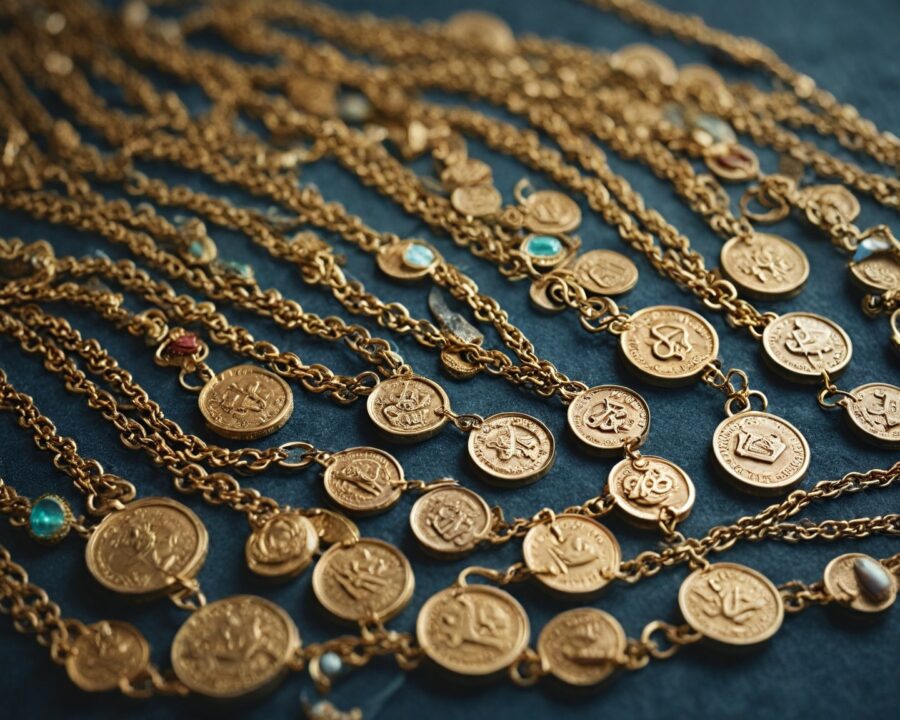
In modern society, the allure of 24K gold continues to captivate the imagination of millions. This precious metal, known for its purest form and unrivaled luster, has been intertwined with human history for centuries. From the ancient Pharaohs of Egypt to the emperors of China, gold has symbolized wealth, power, and divine connection. Its radiant glow not only draws the eye but also evokes a deep emotional response, making it something more than just a commodity. The charm of 24K gold lies not just in its beauty but also in its unique set of characteristics that make it stand out among metals.
The concept of gold purity is crucial to understanding what makes 24K gold so special. Gold’s purity is expressed in karats, with 24 karats signifying that it is 99.9% pure gold, free from any other metals. This is what makes 24K gold so captivating – its purity translates into a softer, more malleable metal with a deep, warm yellow hue. However, its softness means that it is not always practical for everyday use, making it a choice often reserved for statement pieces and prized heirlooms.
Across cultures, 24K gold has played a significant role in shaping societies and traditions. Its historical significance can be seen in the vast arrays of artifacts, jewelry, and coins that have been crafted from it. From the ancient Incas to the elegant courts of ancient India, gold has been at the heart of trade, art, and ceremonies. These cultures valued gold not only for its material worth but also for its spiritual and symbolic connotations.
Despite being a timeless element of fashion and culture, 24K gold has also established itself as a strong investment option, attracting both novice and seasoned investors. Its value as a hedge against inflation and economic uncertainty underscores why it remains a pivotal part of any well-rounded investment portfolio. While the financial markets fluctuate, the intrinsic value of 24K gold endures, cementing its status as a reliable investment choice.
Introduction to 24K Gold: Definition and Characteristics
Gold’s remarkable qualities include its unmatched luster, ductility, and resistance to tarnish. When you examine 24K gold, you’re looking at the purest form of this metal achievable, revered for its brilliant shine and natural warmth. This purity gives it aesthetic and practical characteristics distinct from lower karat gold alloys.
The concept of karats is crucial to the discussion. The term “karat” (with a “K”) refers to the purity of gold within a piece of metal. Pure gold is 24 karats, while 18K gold consists of 75% gold mixed with other metals, and 14K more commonly includes 58.3% gold. In 24K gold, gold is not alloyed with other metals; this purity results in a softness and the most intense color that gold can offer.
However, pure 24K gold’s softness means it’s rarely used in settings that require durability, such as everyday rings or bracelets. It’s often selected for pieces where the brilliance of its color and purity can take center stage, like in investment coins or ceremonial items. The visual and tactile qualities brought about by the purity of 24K gold make it a sought-after material for special occasions and investment opportunities.
The Historical Significance of 24K Gold Across Cultures
The historical journey of 24K gold stretches across the millennium, deeply embedded in various cultures around the globe. This metal has not only been a medium of exchange but has also played ceremonial and spiritual roles. Its allure and beauty made it central to many ancient rituals and practices.
In Egypt, gold was associated with the gods and the afterlife. The Pharaohs were often mummified with gold masks and adornments, believing it rendered them divine. In China, gold was seen as a symbol of wealth and a harbinger of good fortune. Artifacts from the Han Dynasty show exquisite craftsmanship using 24K gold, reflecting its cultural importance.
In the Americas, the Incas referred to gold as “the sweat of the sun,” building an entire culture around its extraction and usage. At the same time, the rich Mughal empire of India was known for its extravagant use of gold, with intricate designs crafted both for the elite and for religious purposes. These cultural practices illustrate how deeply ingrained gold was in the societies of the past and highlight its continuing significance.
Why 24K Gold is Considered a Safe Investment
In times of economic uncertainty, investors often turn to gold as a safe haven. Unlike stocks or bonds, 24K gold is not subject to business or credit risk, making it a reliable hedge against inflation and currency fluctuations. Investors appreciate its intrinsic value, which is not eroded by market changes or governmental policies.
Throughout history, gold has maintained its purchasing power. Its scarcity and universal recognition as a store of value contribute to its stability. When comparing long-term trends, gold has consistently risen in value, especially during economic downturns when other assets may falter. This makes it an appealing addition to a diversified investment portfolio.
Furthermore, owning 24K gold provides direct ownership of a tangible asset, unlike digital or paper-based investments. This aspect attracts those who seek physical security in their investment strategy. Whether in the form of coins, bars, or intricate jewelry, owning gold ensures a degree of liquidity and portability, crucial for various financial strategies.
The Role of 24K Gold in Modern Fashion and Jewelry
Modern fashion and jewelry continue to celebrate the beauty of 24K gold, leveraging its historic appeal for contemporary styles. Its warm color and aura of luxury make it a popular choice among designers and jewelers worldwide, offering an element of opulence and sophistication to any collection.
Designers use 24K gold for statement pieces that do not require the durability of lower karats. Bold necklaces, earrings, and ceremonial bangles capitalize on the metal’s pure, unadulterated color. Fashion houses often integrate 24K gold into haute couture, using it to highlight pieces with an air of exclusivity and uniqueness.
Despite its softness, technology in jewelry design has advanced, enabling better crafting methods that protect the metal while enhancing its aesthetic appeal. Many renowned fashion brands introduce 24K gold pieces annually, recognizing its timeless allure and appeal. Gold’s compatibility with other materials also allows for innovative design combinations, maintaining its position as a staple in luxury fashion.
How to Identify Authentic 24K Gold Jewelry
Identifying authentic 24K gold jewelry requires careful examination and awareness of specific characteristics. The allure of gold often attracts counterfeits, making it crucial for buyers to discern genuine pieces from the fakes.
The first step in authentication involves looking for hallmarks. These are small stamps on jewelry pieces that indicate gold purity. A “24K” or “999” mark is a standard indicator of pure gold. It’s also recommended to consider the supplier or jeweler’s reputation, opting for those who provide certification of authenticity along with their pieces.
Testing gold through density checks and magnetic tests can further verify authenticity. Gold is a dense metal; it should feel heavy for its size. It is also non-magnetic, so authentic gold should not respond to a magnet. Acid testing is a more invasive but accurate method, often conducted by professionals, to confirm gold purity rigorously.
The Impact of 24K Gold on Global Economies
Gold’s influence on global economies is substantial. It serves as a foundational reserve asset for nations, providing a base of value for currency and economic stability. Central banks hold significant gold reserves, impacting how economies respond to inflation and deflation.
The global trade of gold also plays a crucial role in economic relationships between countries. As a sought-after resource, gold mining, production, and processing stimulate industries worldwide. Countries with rich gold deposits often leverage this resource for economic growth and development, influencing international market dynamics.
| Country | Gold Reserve (Tons) | Global Rank | Percentage of Forex Reserves |
|---|---|---|---|
| USA | 8,133.5 | 1 | 78.9% |
| Germany | 3,359.1 | 2 | 74.6% |
| Italy | 2,451.8 | 3 | 69.9% |
| France | 2,436.5 | 4 | 62.1% |
The table above illustrates the importance of gold reserves in major economies, highlighting how essential gold is in underpinning financial stability. By serving both as an investment vehicle and a protective asset, 24K gold continues to wield considerable influence over global economies.
Caring for and Maintaining 24K Gold Items
Proper care and maintenance of 24K gold items ensure their longevity and brilliance. Due to its pure nature, 24K gold is more susceptible to scratches and dents, so extra precautions are necessary.
Regular cleaning keeps gold items looking their best. Using lukewarm water with mild detergent and a soft cloth can remove oils and dirt. Avoid using abrasive materials or chemicals as they can damage the gold’s surface. After washing, polish the item gently to restore its natural shine.
Storage also plays a crucial role. Keep 24K gold items separate from other metals and objects that might scratch or damage them. Soft pouches or lined jewelry boxes are ideal for minimizing contact and abrasion. Regular inspection for wear or tear allows for preventative care, ensuring the item’s integrity over time.
The Symbolic Meaning of 24K Gold in Different Cultures
Gold’s symbolism varies across cultures but often carries connotations of purity, wealth, and status. In many cultures, including Indian and Chinese, gold represents prosperity and forms an integral part of wedding ceremonies and New Year celebrations.
Often associated with spiritual richness, 24K gold is used in religious artifacts and temples. In Christianity, gold is a symbol of divinity, often seen in church interiors and religious icons. Similarly, in Buddhism, gold represents enlightenment and immortality, used to adorn images of deities.
In African cultures, gold signifies wealth and power, worn by royalty and used in ceremonial artifacts, such as masks and thrones. Its symbolic role transcends borders, universally embraced as a material of distinction and reverence, transcending its mere economic value to embody deep cultural meanings.
Comparing 24K Gold with Other Gold Purities
Understanding the differences between 24K gold and other purity levels is crucial for both investors and consumers. While 24K gold is the purest, other forms like 18K and 14K offer different properties that might be suitable for certain applications.
| Gold Purity | Composition | Common Uses | Durability |
|---|---|---|---|
| 24K | 99.9% gold | Investment, ceremonial objects | Soft |
| 18K | 75% gold, 25% other metals | Fine jewelry, luxury goods | Moderate |
| 14K | 58.3% gold, 41.7% other metals | Everyday wear jewelry | High |
| 10K | 41.7% gold, 58.3% other metals | Affordable jewelry, small items | Very high |
As depicted in the table, each gold purity level balances between aesthetic appeal and functional durability. While 24K is unmatched in beauty and purity, lower-karat golds bring robustness to practical applications, making them favorable for daily use.
The Future of 24K Gold in Technology and Industry
The role of 24K gold extends beyond jewelry and investment into technology and industry, as its conductivity and reliability prove invaluable. The tech industry employs gold in microchips and electronic boards due to its superior conductive properties.
Gold’s use is prevalent in the space industry as well. Its reflective quality makes it an indispensable material for shielding spacecrafts and satellites from radiation. Research in nanotechnology and medicine is also unlocking new uses for gold, investigating its potential in cancer treatments and diagnostic tools.
Innovation sees gold’s future not only in luxury and heritage but also in cutting-edge applications. As technology advances, the demand for gold’s unique properties ensures its place within future technological frameworks.
Tips for Buying 24K Gold: What to Look For
Investing in 24K gold necessitates careful consideration and due diligence. Here’s a guide to help prospective buyers and collectors make informed decisions:
- Source Reputation: Always buy from reputable dealers who provide verifiable certification and authenticity guarantees.
- Hallmarks: Check for authenticity stamps like “24K” or “999”, ensuring you’re purchasing pure gold.
- Market Trends: Stay informed about current gold prices and market conditions to secure the most favorable deals.
- Certification: Look for third-party appraisals and certifications that confirm the quality and purity of the gold piece.
- Purpose: Determine the intended use, whether investment, jewelry, or collection, to choose the appropriate gold form and item.
By considering these factors, buyers can navigate the gold market with confidence, safeguarding against potential scams and ensuring the acquisition of genuine 24K gold.
FAQ
What distinguishes 24K gold from other karats?
24K gold is pure gold, containing no other metals, giving it a rich yellow hue and a softer consistency compared to lower karat gold that is alloyed for durability.
Can 24K gold tarnish over time?
No, 24K gold is resistant to tarnish because it reacts minimally with air and water, maintaining its luster for years without losing its brilliance.
Is 24K gold suitable for everyday wear?
Because it’s soft and prone to scratching, 24K gold is often reserved for pieces not subjected to daily wear and tear, focusing on ceremonial and investment roles.
How does one verify the authenticity of 24K gold?
Authenticity can be verified by checking for hallmarks, density tests, non-responsiveness to magnets, and professional certifications or appraisals.
Is investing in 24K gold a good strategy during economic downturns?
Yes, 24K gold is often regarded as a safe haven investment during economic instability due to its historically stable value and ability to hedge against inflation.
Recap
The allure of 24K gold is multifaceted, spanning across history, culture, fashion, and investment. Its pure form sets it apart from other metals, providing unrivaled warmth and beauty. Throughout history, gold has retained its position as a symbol of wealth and status, deeply embedded in cultural traditions worldwide. Its investment potential is equally significant, providing a reliable safeguard against economic volatility. In fashion, its timeless appeal ensures its continued relevance, while technological advancements hint at its expanding role in future applications. To navigate the 24K gold market effectively, buyers must understand key quality indicators and market dynamics, ensuring the acquisition of true value.
Conclusion
24K gold’s allure lies not just in its radiant beauty but also in its multifaceted significance. Its enduring value is evident in its historical prominence, cultural meanings, and modern uses. For investors, collectors, and enthusiasts, understanding the nuances of 24K gold is crucial to appreciating its worth beyond the superficial.
As global economies evolve and technological advancements forge new paths, 24K gold remains a constant, a testament to its unyielding charm and invaluable contributions. Whether as a symbol of eternal affection, a fashion statement, or a secure investment, this precious metal undeniably holds its place, promising enduring relevance and appeal across the ages.