
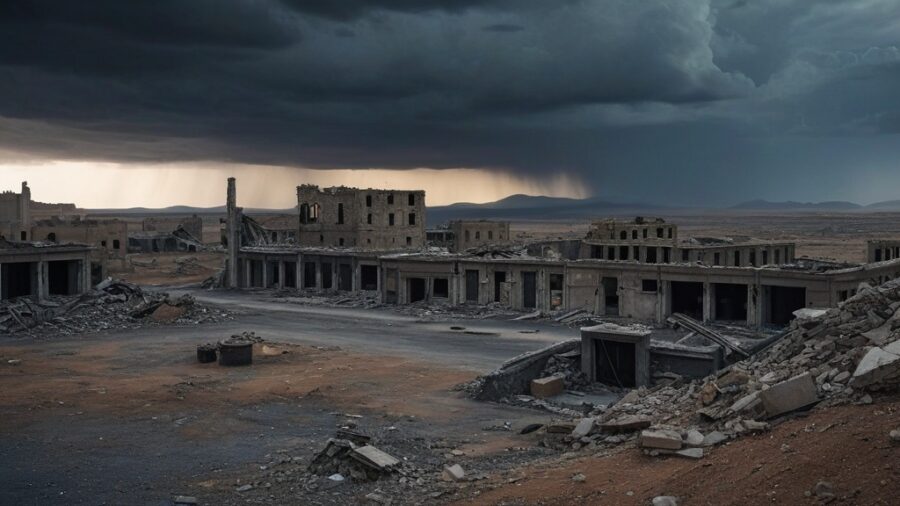
Introduction to World War Causes and Effects
The study of world war causes and effects is crucial for understanding the complex dynamics that lead to global conflicts. The two major world wars in the 20th century reshaped nations, societies, and international relations. As historians analyze the catalysts behind these wars, they uncover a web of political, economic, and social factors that contributed to unprecedented destruction. This article aims to elucidate these causes and their far-reaching effects on the global stage.
In exploring the causes of the world wars, we will delve into the historical context, examining how the geopolitical landscape of the time set the stage for conflict. Additionally, we will analyze the immediate and long-term effects on nations and their populations, shedding light on the human cost of warfare. Understanding these aspects not only helps us grasp the past but also equips us to better navigate current global tensions.
Moreover, this discussion will highlight the lessons learned from the world wars, emphasizing the importance of diplomacy, cooperation, and conflict resolution in preventing future wars. By the end of this article, readers will have a comprehensive understanding of the intricate causes and consequences of the world wars, as well as insights into how these events continue to shape our world today.
Historical Context of World Wars
The Prelude to Conflict
The historical context of the world wars is characterized by a series of events and developments that created a volatile environment. The late 19th and early 20th centuries were marked by intense nationalism, imperialism, and militarism. European powers were engaged in a race for colonies, leading to increased tensions. The assassination of Archduke Franz Ferdinand in 1914 is often cited as the spark that ignited World War I, but it was merely the culmination of decades of rivalry and discord.
Furthermore, alliances such as the Triple Alliance and the Triple Entente played a significant role in escalating the conflict. These treaties bound countries to support each other in case of war, which transformed a regional conflict into a global one. By the time the war began, Europe was divided into two armed camps, each seeking to assert its dominance.
Aftermath and Lessons from History
Following the conclusion of World War I in 1918, the Treaty of Versailles imposed heavy reparations on Germany, creating economic turmoil and resentment. This dissatisfaction laid the groundwork for World War II, as Adolf Hitler rose to power by exploiting national grievances and promising to restore Germany’s former glory. The interwar period was marked by economic instability, exemplified by the Great Depression of the 1930s, which further fueled extremist ideologies across Europe.
Understanding this historical context is vital for recognizing the patterns that lead to conflict. The world wars serve as stark reminders of the consequences of unchecked nationalism and militarism. The lessons learned from these events emphasize the importance of diplomacy and international cooperation to foster peace.
Political Causes of World Wars
Nationalism and Militarism
One of the primary political causes of the world wars was rampant nationalism. Countries prioritized their interests over international stability, leading to aggressive foreign policies. In Germany, the rise of the Nazi Party underscored the dangers of extreme nationalism, as Hitler’s expansionist ambitions directly contributed to the outbreak of World War II.
Additionally, militarism played a crucial role in escalating tensions. Nations built up their armed forces and engaged in arms races, believing that military strength was essential for national security. This militaristic mindset fostered an environment where diplomatic solutions were often overlooked in favor of force, as evidenced by the rapid mobilization of troops at the onset of both wars.
Alliances and Diplomatic Failures
The intricate system of alliances formed prior to the world wars created a domino effect that escalated conflicts. In World War I, the assassination of Archduke Ferdinand quickly embroiled multiple nations due to their alliance commitments. Similarly, in World War II, the failure of appeasement strategies, particularly regarding Hitler’s territorial ambitions, showcased the limitations of diplomacy in the face of aggression.
This interplay of nationalism, militarism, and failed diplomacy illustrates how political factors intertwined to create a combustible environment. The consequences of these political decisions were far-reaching, leading to millions of deaths and profound global changes.
Economic Factors Contributing to Global Conflicts
The Impact of Economic Instability
Economic factors played a significant role in the causes of the world wars, particularly during the interwar period. The economic devastation caused by World War I and the harsh terms of the Treaty of Versailles left Germany in a state of turmoil. Hyperinflation in the early 1920s decimated the middle class and contributed to widespread social unrest, creating fertile ground for extremist ideologies.
The Great Depression of the 1930s further exacerbated global tensions. Nations turned inward, adopting protectionist policies that stifled international trade and cooperation. This economic isolationism fostered resentment and competition among countries, as they struggled to recover from the economic fallout.
Resource Competition and Economic Policies
Competition for resources also played a pivotal role in the escalation of conflicts. As countries sought to expand their territories, they often clashed over access to vital resources. For instance, Japan’s invasion of China in the 1930s was driven by a desire for natural resources to fuel its industrial growth. Similarly, Germany’s aggression in Europe was partly motivated by the need for Lebensraum, or living space, to sustain its population and economy.
The economic motivations behind these conflicts reveal that wars are not merely military confrontations but are deeply rooted in the quest for resources and economic stability. Understanding these economic factors is essential for comprehending the broader landscape of global conflicts.
Social and Cultural Influences on Warfare
Propaganda and Public Opinion
The social and cultural climate of the time significantly influenced the course of the world wars. Propaganda played a crucial role in shaping public opinion and mobilizing entire nations for war. Governments utilized various media to portray their enemies as threats to national security, fostering a culture of fear and hatred. This manipulation of public sentiment made it easier to justify military actions and rally support for the war efforts.
For instance, during World War I, posters and films depicted soldiers as heroes fighting for freedom, while demonizing the enemy. Similarly, in World War II, propaganda emphasized the ideals of patriotism and sacrifice, further entrenching societal support for the war.
Social Changes and Gender Roles
The world wars also brought about significant social changes, particularly regarding gender roles. As men went off to fight, women entered the workforce in unprecedented numbers, taking on roles traditionally held by men. This shift not only challenged societal norms but also laid the groundwork for future movements for gender equality.
Moreover, the wars catalyzed changes in class structures and racial dynamics. In the United States, for example, the need for labor during World War II led to greater opportunities for African Americans and other marginalized groups, creating a complex interplay of social change amidst the backdrop of war.
Technological Advancements and Warfare
Innovations in Military Technology
Technological advancements profoundly influenced the nature of warfare in the world wars. The introduction of tanks, aircraft, and chemical weapons during World War I revolutionized combat strategies and tactics. The ability to engage in trench warfare highlighted the need for new technologies to break the stalemate on the battlefield.
In World War II, technological innovations reached new heights with the development of radar, jet engines, and the atomic bomb. These advancements not only changed the dynamics of warfare but also had lasting impacts on military strategy and international relations. The atomic bombings of Hiroshima and Nagasaki in 1945 marked a pivotal moment in history, demonstrating the destructive potential of technological progress.
The Role of Communication Technologies
Advancements in communication technologies also played a significant role in shaping the outcomes of the world wars. The use of radio and telegraph systems allowed for faster transmission of information, facilitating more coordinated military operations. This enhanced communication capability was crucial for strategizing and executing complex military campaigns.
Moreover, propaganda dissemination through radio broadcasts and films reached wider audiences, significantly influencing public perception and morale. The ability to communicate effectively was a game-changer in both wars, showcasing the importance of technology in modern warfare.
Consequences of World Wars on Nations
Geopolitical Shifts and New Alliances
The consequences of the world wars extended far beyond the battlefield, reshaping the geopolitical landscape of the world. Following World War I, the map of Europe was redrawn, with the dissolution of empires such as the Austro-Hungarian and Ottoman Empires. New countries emerged, and existing ones faced significant territorial changes, leading to long-standing tensions.
World War II further transformed international relations, giving rise to superpowers like the United States and the Soviet Union. The Cold War era that ensued saw a division of the world into two ideological camps, leading to proxy wars and a nuclear arms race that defined the latter half of the 20th century.
Economic Consequences and Reconstruction Efforts
The economic consequences of the world wars were profound. Nations faced immense costs related to war reparations, reconstruction, and economic recovery. The Marshall Plan, implemented in 1948, exemplified efforts to rebuild war-torn Europe and prevent the spread of communism by fostering economic stability.
This economic reconstruction also emphasized the importance of international cooperation, as countries recognized that collective efforts were essential for recovery. The establishment of institutions like the United Nations and the International Monetary Fund marked a shift toward collaborative global governance.
Long-term Effects on Global Politics
Formation of International Organizations
The aftermath of the world wars led to the establishment of several international organizations aimed at fostering peace and cooperation. The United Nations, founded in 1945, was designed to prevent future conflicts through dialogue and diplomacy. Its creation was a direct response to the failures of the League of Nations, which had been established after World War I but failed to maintain peace.
These organizations have played a crucial role in mediating conflicts, providing humanitarian aid, and promoting human rights. Their existence underscores the importance of multilateralism in addressing global challenges.
Shifts in Power Dynamics
The world wars also resulted in significant shifts in power dynamics on the global stage. The decline of European colonial powers and the rise of the United States and the Soviet Union as superpowers fundamentally altered international relations. This shift has continued to influence global politics, as emerging powers like China and India challenge the established order.
Understanding these long-term effects is essential for analyzing contemporary geopolitical issues and the ongoing struggles for power and influence in the international arena.
Human Cost of World Wars
Casualties and Displacement
The human cost of the world wars is staggering, with millions of lives lost and countless others affected. World War I resulted in an estimated 16 million deaths, while World War II claimed the lives of approximately 70-85 million people, making it the deadliest conflict in human history. These figures include not only military personnel but also civilians who suffered due to bombings, genocides, and famine.
The wars also led to massive displacement, with millions of refugees fleeing conflict zones. The humanitarian crises that followed necessitated international aid and resettlement efforts, highlighting the long-lasting impact of warfare on human lives.
Psychological Impact and Trauma
The psychological impact of the world wars cannot be overlooked. Veterans returned home with profound trauma, often grappling with what we now recognize as post-traumatic stress disorder (PTSD). The societal repercussions of this trauma extended to families and communities, creating a ripple effect that persisted for generations.
Moreover, the collective memory of the wars has shaped national identities and narratives, influencing how societies perceive conflict and peace. Understanding the human cost of these wars is crucial for recognizing the importance of reconciliation and healing in post-war societies.
Lessons Learned from World Wars
The Importance of Diplomacy and Cooperation
The world wars served as stark reminders of the consequences of failed diplomacy and the need for international cooperation. The lessons learned from these conflicts emphasize the importance of dialogue and negotiation in resolving disputes before they escalate into violence.
Efforts to promote peace through diplomacy, such as arms control agreements and peace treaties, are essential for maintaining stability in the international order. The establishment of organizations like the United Nations represents a collective commitment to prevent future conflicts through cooperation.
Recognizing the Dangers of Extremism
Another critical lesson from the world wars is the recognition of the dangers posed by extremism and totalitarian ideologies. The rise of fascism and nationalism in the interwar period highlights the necessity of vigilance against such movements. Societies must prioritize tolerance, inclusivity, and democratic values to prevent the resurgence of extremist ideologies that can lead to conflict.
These lessons underscore the ongoing responsibility of nations to work together to promote peace, security, and human rights in an increasingly interconnected world.
Conclusion
The exploration of world war causes and effects reveals a complex interplay of factors that contributed to these monumental conflicts. From political and economic motivations to social and cultural influences, the causes of the world wars were multifaceted and deeply rooted in historical contexts. The consequences of these wars reshaped nations, societies, and global politics, leaving a lasting legacy that continues to inform our understanding of contemporary conflicts.
As we reflect on the lessons learned from the world wars, it becomes clear that the importance of diplomacy, international cooperation, and the recognition of the human cost of warfare cannot be overstated. By understanding the past, we can better navigate the challenges of the present and work towards a more peaceful future.
Frequently Asked Questions about World War Causes and Effects
1. What were the main causes of World War I?
The main causes of World War I included militarism, alliances, imperialism, and nationalism. The assassination of Archduke Franz Ferdinand in 1914 acted as the catalyst, igniting tensions that had been building for years.
2. How did the Treaty of Versailles contribute to World War II?
The Treaty of Versailles imposed heavy reparations on Germany, leading to economic instability and national resentment. This environment allowed Adolf Hitler to rise to power by exploiting grievances and promoting aggressive expansionist policies.
3. What were the social impacts of the world wars?
The world wars significantly altered social dynamics, including changes in gender roles as women entered the workforce. They also led to shifts in class structures and racial dynamics, creating opportunities for marginalized groups during and after the conflicts.
4. How did technology change warfare during the world wars?
Technological advancements such as tanks, aircraft, and atomic bombs transformed military strategies and tactics. These innovations not only changed the nature of warfare but also had lasting implications for international relations and military strategy.
5. What lessons can be learned from the world wars?
The world wars teach us the importance of diplomacy, international cooperation, and the need to recognize the dangers of extremism. These lessons highlight the necessity of fostering peace and addressing the root causes of conflict to prevent future wars.
Recap of Key Points on World War Causes and Effects
- World wars were caused by a complex interplay of political, economic, and social factors.
- Nationalism and militarism significantly contributed to the escalation of conflicts.
- Economic instability played a crucial role in the lead-up to both world wars.
- Technological advancements changed the nature of warfare and military strategy.
- The human cost of the world wars was staggering, with millions of lives lost and displaced.
- Lessons from the world wars emphasize the importance of diplomacy and cooperation.
- Understanding historical contexts helps navigate contemporary conflicts.
- Ongoing vigilance against extremism is essential to prevent future wars.