
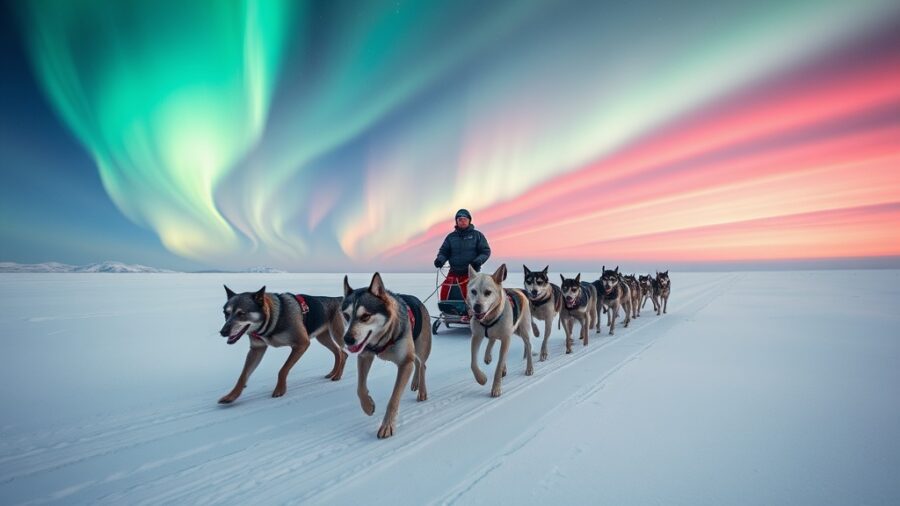
Dog Sledding Arctic Experience: An Adventure Like No Other
Embarking on a dog sledding Arctic experience is not just an adventure; it’s a journey into a world of breathtaking beauty and exhilarating challenges. Imagine gliding across vast, snow-covered landscapes, with the sound of sled dogs barking in the distance and the crisp Arctic air filling your lungs. In this article, we will delve deep into what dog sledding is, its rich history, and how you can plan your own Arctic adventure. Whether you’re a seasoned traveler or someone looking for a unique experience, dog sledding offers something for everyone.
As you read through this article, you will discover the essentials of planning your Arctic getaway, including choosing the right tour, understanding what to expect, and learning about the safety measures in place. Additionally, we will explore the stunning wildlife and scenery of the Arctic, as well as cultural insights from Indigenous communities that call this majestic landscape home. Get ready to be captivated by the stories and experiences that await you.
By the end of this article, you will be well-equipped with the knowledge needed to embark on your own dog sledding journey. Let’s dive into the fascinating world of dog sledding and uncover the wonders it has to offer.
What is Dog Sledding?
Dog sledding is a traditional mode of transportation that uses sleds pulled by dogs, primarily in snowy regions. It originated as a necessity for Indigenous peoples, allowing them to travel across vast distances in harsh winter conditions. Today, it has evolved into a popular recreational activity that attracts adventure seekers from around the globe.
How Dog Sledding Works
The basic mechanics of dog sledding involve a team of dogs harnessed to a sled, driven by a musher. The musher commands the dogs, directing them through the snow-covered terrain. Typically, a sled team consists of six to sixteen dogs, depending on the size of the sled and the terrain.
Types of Dog Sledding
- Recreational Dog Sledding: This is designed for tourists and adventure enthusiasts, offering short trips lasting a few hours or even days.
- Competitive Dog Sledding: Events such as the Iditarod in Alaska showcase the speed and endurance of dog sledding teams, often covering hundreds of miles in extreme conditions.
- Tourist Expeditions: These often include multi-day trips where sledders camp in the wilderness, providing a deeper connection with nature.
The History of Dog Sledding
Dog sledding has a rich history that dates back thousands of years. The practice is believed to have originated in Siberia and spread across the Arctic regions as Indigenous peoples relied on dogs for transportation, hunting, and survival. The use of sled dogs was essential for navigating the harsh winters and accessing resources.
Early Uses of Dog Sledding
Historically, different cultures adapted dog sledding to fit their specific needs. For instance, the Chukchi people of Siberia were among the first to use dog sleds for transportation and hunting. By the 19th century, dog sledding had become integral to the lives of Arctic explorers and trappers who relied on the speed and reliability of sled dogs.
Modern Developments
In the early 20th century, dog sledding began to transform into a recreational activity, particularly in places like Alaska and Canada. The first Iditarod race took place in 1973, marking a significant moment in the evolution of dog sledding as a sport. Today, dog sledding is celebrated not only as a thrilling adventure but also as a cultural heritage.
Planning Your Arctic Adventure
Planning a dog sledding trip in the Arctic requires careful consideration to ensure a rewarding and safe experience. From selecting the right time of year to understanding the logistics of your journey, several factors come into play when organizing this unique adventure.
When to Go Dog Sledding
The best time to experience dog sledding in the Arctic is during the winter months, typically from December to April. This period offers optimal snow conditions and longer daylight hours for exploration. The peak season often varies by location, so it’s essential to research your destination to find the ideal time for your trip.
Essential Gear and Preparation
Before heading out on your adventure, it’s crucial to prepare adequately. Here’s a list of essential gear you should consider:
- Thermal clothing layers to stay warm in extreme cold.
- Waterproof boots to keep your feet dry.
- Gloves and hats to protect your extremities from frostbite.
- Camera to capture the breathtaking scenery.
Choosing the Right Tour
With numerous options available, selecting the right dog sledding tour is vital for maximizing your Arctic experience. Factors such as the duration of the tour, the level of expertise required, and the types of sledding offered can greatly influence your adventure.
Types of Tours Available
When searching for a dog sledding tour, you will find a variety of packages tailored to different skill levels and interests. Some popular types include:
- Half-Day Tours: Perfect for beginners, these tours provide a brief introduction to dog sledding and allow you to experience the excitement without a long commitment.
- Multi-Day Expeditions: For those seeking a more immersive experience, these tours often include camping in the wilderness, offering a chance to bond with the dogs and learn more about the Arctic environment.
- Custom Tours: Many operators offer personalized tours based on your preferences, whether you want to focus on wildlife sightings, photography, or cultural experiences.
Researching Tour Operators
To ensure a safe and enjoyable experience, it’s essential to research reputable tour operators. Look for reviews, check their safety record, and inquire about the welfare of their dogs. A responsible operator will prioritize the health and happiness of their sled dogs and provide thorough safety briefings.
The Dog Sledding Experience
The actual experience of dog sledding is exhilarating and unique. Once you are equipped and briefed, you will embark on a thrilling journey through the stunning Arctic wilderness, guided by your team of dogs.
What to Expect During the Ride
As you set off, you will quickly learn to appreciate the power and agility of the sled dogs. The sensation of gliding over the snow, with the wind in your face and the dogs working in harmony, is truly unmatched. Expect to encounter various terrains, from flat expanses to more challenging hills.
Interacting with the Dogs
During your adventure, you will have opportunities to interact with the sled dogs. Most operators encourage guests to help harness the dogs and provide care during breaks. This interaction fosters a deeper connection with the animals and enhances your overall experience.
Safety Measures and Guidelines
Safety is a top priority in any dog sledding adventure. Before you embark on your journey, it’s crucial to understand the safety measures and guidelines that ensure a secure experience.
Pre-Trip Safety Briefing
Most tour operators will provide a comprehensive safety briefing before your trip. This session will cover essential topics such as how to handle the sled, commands to use with the dogs, and what to do in case of emergencies. Pay close attention to these instructions, as they are vital for your safety and the welfare of the dogs.
Understanding the Risks
While dog sledding is generally safe, it does come with inherent risks. Be aware of the potential for falls, cold weather injuries, and the physical demands of managing a sled team. Proper clothing and gear are essential to mitigate these risks and ensure your comfort throughout the adventure.
What to Expect on Your Trip
Your dog sledding trip will be filled with unforgettable moments and breathtaking scenery. From the moment you set foot in the Arctic, you will be immersed in a world of pristine snow and stunning landscapes.
Daily Itinerary
Most dog sledding tours follow a structured itinerary. A typical day might include:
- Morning Briefing: Preparation and safety briefing before heading out.
- Dog Team Setup: Assisting in harnessing the dogs and preparing the sled.
- Daily Sledding: Exploring the Arctic terrain, taking breaks to enjoy the scenery and interact with the dogs.
- Campsite Activities: Evening activities might include storytelling around a campfire, learning about local culture, and stargazing.
Food and Accommodation
Depending on the length of your tour, accommodations may vary. Shorter tours might include a warm meal and a cozy lodge, while longer expeditions often involve camping in the wilderness. Be prepared for hearty meals that provide the energy needed for your daily adventures.
Wildlife and Scenery in the Arctic
The Arctic is renowned for its breathtaking landscapes and unique wildlife. During your dog sledding adventure, you will have the opportunity to witness some of the most stunning natural sights on the planet.
Wildlife Encounters
The Arctic is home to a diverse range of wildlife, including:
- Arctic Foxes: These small mammals are often seen darting through the snow.
- Snowy Owls: These majestic birds are a common sight and are known for their striking white feathers.
- Reindeer: Often spotted grazing in the wild, these animals are an integral part of the Arctic ecosystem.
Stunning Landscapes
As you glide through the snow, you will encounter breathtaking vistas, including vast frozen lakes, towering snow-capped mountains, and mesmerizing ice formations. The Arctic landscape changes dramatically throughout the day, offering a new perspective with every sunrise and sunset.
Cultural Insights from Indigenous Communities
The Arctic is home to several Indigenous communities, each with its own rich history and traditions. Understanding their culture can greatly enhance your dog sledding experience.
Traditional Practices
Many Indigenous peoples have relied on dog sledding for generations, using it for transportation, hunting, and cultural ceremonies. Engaging with local communities can provide insights into their way of life and the significance of sled dogs in their culture.
Connecting with the Community
Many dog sledding tours include opportunities to interact with Indigenous guides or visit local communities. These experiences can offer a deeper understanding of their traditions, storytelling, and the importance of preserving their cultural heritage.
Conclusion
In conclusion, a dog sledding Arctic experience is a unique adventure that combines excitement, natural beauty, and cultural insights. From understanding the history of dog sledding to planning your trip and interacting with the sled dogs, every aspect of this journey is designed to create unforgettable memories. Whether you seek adrenaline, tranquility, or a connection with nature, dog sledding offers it all.
As you prepare for your adventure, remember to plan carefully, choose a reputable tour operator, and immerse yourself in the stunning Arctic landscape. With the right preparation, your dog sledding experience will undoubtedly be a highlight of your travels.
Frequently Asked Questions
1. What is the best time of year for dog sledding?
The best time for dog sledding is typically between December and April, when snow conditions are optimal and daylight hours are longer for exploration.
2. Do I need prior experience to go dog sledding?
No prior experience is necessary for most recreational dog sledding tours, as guides provide thorough instructions and support throughout the journey.
3. How many dogs are usually in a sled team?
A typical sled team consists of six to sixteen dogs, depending on the tour and the terrain. The number of dogs allows for effective pulling of the sled.
4. What should I wear for dog sledding?
Dress in thermal layers, including waterproof boots, gloves, and hats. It’s essential to stay warm and dry in the Arctic conditions.
5. Can I interact with the dogs during the trip?
Yes, most tour operators encourage guests to help harness and care for the dogs, allowing for a deeper connection and understanding of these incredible animals.
Recap of Key Points
- Dog sledding is a traditional Arctic transportation method evolved into a popular adventure activity.
- Planning includes choosing the right tour, understanding safety measures, and preparing appropriate gear.
- Expect breathtaking wildlife encounters and stunning landscapes during your trip.
- Engaging with Indigenous communities enriches the overall experience.
- Dog sledding offers an unforgettable way to connect with nature and adventure.