
Introduction to Silver Coins Collecting
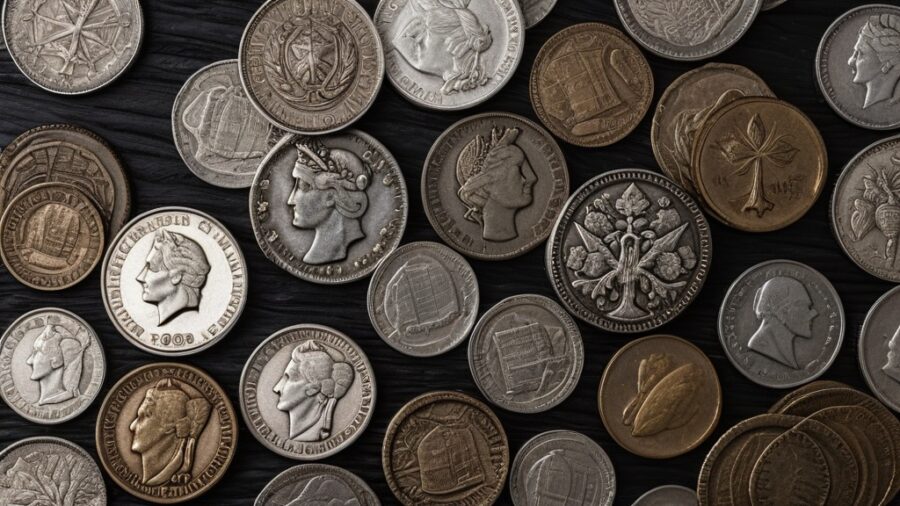
Silver coins collecting is a fascinating hobby that combines history, artistry, and investment potential. For many enthusiasts, the allure of silver coins lies in their intrinsic value and the stories they tell about the eras they come from. In this guide, we will explore the world of silver coins collecting valuable coins, offering insights into their significance, the various types available, and how to embark on your own collecting journey.
As the demand for precious metals like silver continues to rise, understanding what makes certain coins more valuable than others is crucial for collectors. This article will delve into the factors that contribute to the value of silver coins, helping you make informed decisions. Whether you are a beginner or a seasoned collector, this guide will provide you with the information you need to enhance your collection.
Moreover, we will cover practical tips on how to start your silver coin collection, the essential tools you will need, and how to maintain and protect your coins. Additionally, we will discuss the market for buying, selling, and trading silver coins. By the end of this article, you will have a comprehensive understanding of silver coin collecting and the valuable insights that come with it.
Understanding the Value of Silver Coins
Intrinsic Value vs. Numismatic Value
The value of silver coins can be categorized into two main types: intrinsic value and numismatic value. The intrinsic value is determined by the actual metal content of the coin. For example, if a silver coin contains one troy ounce of silver, its intrinsic value will fluctuate based on the current market price of silver. As of October 2023, the price of silver is approximately $24 per ounce, which means that a one-ounce silver coin will have an intrinsic value close to that amount.
On the other hand, numismatic value refers to the collectible value that a coin may hold due to its rarity, historical significance, or demand among collectors. For instance, a silver coin minted in a limited quantity or one with a unique design may sell for much more than its intrinsic value. Collectors often seek out coins that not only have silver content but also possess numismatic appeal, as these can yield higher returns over time.
Factors Influencing Silver Coin Value
Several factors influence the value of silver coins, and understanding these can help collectors make informed purchases. Key factors include:
- Condition: The state of preservation, often graded on a scale from Poor to Mint State, significantly impacts value.
- Rarity: Limited mintage or specific historical events can create scarcity, driving up demand and value.
- Market Trends: Fluctuations in the silver market and collector interest can affect prices; staying informed is crucial.
- Historical Significance: Coins linked to important historical events or figures often carry higher numismatic value.
In summary, the value of silver coins is a complex interplay of their metal content and collectible appeal. By considering these factors, collectors can better navigate the market and make strategic choices.
Types of Valuable Silver Coins
Modern Silver Bullion Coins
Modern silver bullion coins have gained immense popularity among collectors and investors alike. These coins are typically minted by government entities and are sold based on their silver content. Some of the most recognized examples include:
- American Silver Eagle: First minted in 1986, the American Silver Eagle contains one troy ounce of .999 fine silver and is highly sought after.
- Canadian Silver Maple Leaf: Introduced in 1988, this coin features a design of the iconic maple leaf and is also made of .9999 fine silver.
- Australian Silver Kangaroo: The Perth Mint has been producing this coin since 1993, known for its intricate designs and high silver purity.
These coins not only hold intrinsic value but are also favored by collectors due to their designs and limited mintage in specific years.
Historical Silver Coins
Historical silver coins are an essential category for serious collectors. These coins often come from various eras and regions, each with its own unique design and historical context. Notable examples include:
- Spanish Silver Eight Reales: Used extensively during the 16th to 19th centuries, these coins were prevalent in trade and are highly collectible.
- Seated Liberty Dollar: Minted between 1840 and 1873, these coins are notable for their intricate designs and historical significance.
- Walking Liberty Half Dollar: Produced from 1916 to 1947, this coin is celebrated for its artistic design and continues to be popular among collectors.
Collecting historical silver coins provides a glimpse into the past, as each coin tells a story of the time and place in which it was minted. Many collectors are drawn to these coins not only for their value but also for their rich history.
How to Start Your Silver Coin Collection
Setting Goals and Budget
Before diving into the world of silver coin collecting, it is essential to set clear goals and a budget. Determine what you hope to achieve with your collection. Are you interested in investing for the long term, or do you want to collect for personal enjoyment? Setting a budget will help you avoid overspending and allow you to focus on acquiring coins that truly interest you.
Consider allocating a portion of your budget for research. Valuable resources such as books, magazines, and online courses can provide you with the knowledge needed to make informed decisions. As you familiarize yourself with the market, you will be better equipped to identify valuable coins and avoid potential pitfalls.
Choosing Your Focus
Once you have established your goals and budget, the next step is to choose a focus for your silver coin collection. Here are some popular themes to consider:
- Type Set: Collecting one of each type of silver coin, regardless of year or mintmark.
- Date Set: Collecting all coins of a specific type from a particular range of years.
- Geographical Focus: Collecting coins from specific countries or regions.
- Historical Themes: Collecting coins that commemorate significant events or figures in history.
By narrowing your focus, you can enhance your collecting experience and develop a deeper appreciation for the coins you acquire. This focus will also make it easier to identify gaps in your collection and set future goals.
Tools and Resources for Collectors
Essential Tools for Coin Collecting
Having the right tools is crucial for maintaining and enjoying your silver coin collection. Here are some essential items every collector should consider:
- Magnifying Glass: A good magnifying glass or loupe helps examine coins for details and condition.
- Coin Holders and Albums: Proper storage is vital for preserving the condition of your coins; use holders and albums designed for coin storage.
- Digital Scale: A scale can help weigh coins to verify their silver content.
- Coin Cataloging Software: This software can assist in tracking your collection, including purchase prices, values, and details of each coin.
Investing in these tools can enhance your collecting experience and help protect your valuable silver coins.
Resources for Learning and Networking
In addition to physical tools, access to educational resources and networking opportunities can greatly benefit collectors. Consider the following:
- Books: Many books cover the basics of coin collecting, silver coins, and market trends, providing valuable insights.
- Online Forums and Groups: Engaging with fellow collectors through online communities can offer tips, advice, and support.
- Coin Shows and Conventions: Attending events can provide opportunities to see coins in person, network with other collectors, and learn from experts.
By utilizing these resources, collectors can continuously expand their knowledge and stay informed about the ever-changing market.
Maintaining Your Silver Coins
Proper Storage Techniques
Maintaining the condition of your silver coins is essential for preserving their value. Proper storage techniques can prevent damage from environmental factors such as moisture and air. Here are some best practices for storing your coins:
- Keep Coins Dry: Use silica gel packets in storage boxes to absorb moisture.
- Avoid Handling: Minimize direct contact with your coins; use cotton gloves when necessary.
- Store in a Cool, Dark Place: Extreme temperatures and sunlight can damage coins; opt for a secure storage location.
By following these storage guidelines, you can help ensure the longevity and condition of your silver coins.
Cleaning and Preservation
While it may be tempting to clean your silver coins, it is generally not recommended. Cleaning can strip away the coin’s patina and diminish its numismatic value. Instead, focus on preservation:
- Use a Soft Brush: If necessary, use a soft brush to remove dust or dirt without damaging the surface.
- Professional Conservation: For valuable coins, consider consulting a professional conservator who specializes in coins.
- Regular Inspections: Periodically check your collection for any signs of damage or deterioration.
By prioritizing preservation over cleaning, collectors can maintain the integrity and value of their silver coins.
Selling and Trading Silver Coins
Understanding the Market
As a collector, you may eventually consider selling or trading some of your silver coins. Understanding the market is crucial to maximizing your returns. Here are some key points to keep in mind:
- Market Demand: Monitor the current demand for specific coins and trends in the silver market to determine the best time to sell.
- Reputable Dealers: When selling, work with reputable coin dealers or auction houses to ensure you receive fair value.
- Private Sales: Consider selling directly to other collectors through online platforms or coin shows for potentially higher returns.
By being informed about the market, you can make strategic decisions regarding the sale or trade of your coins.
Tips for Successful Transactions
Successful selling and trading of silver coins require careful planning and execution. Consider the following tips:
- Get Appraisals: Before selling, obtain appraisals from multiple sources to gauge the market value of your coins.
- Document Your Coins: Keep detailed records of your coins, including purchase prices, grades, and any relevant history.
- Be Patient: Selling coins can take time; don’t rush into transactions without proper research and consideration.
By following these tips, collectors can navigate the selling process more effectively and achieve favorable outcomes.
Conclusion and Final Thoughts
Collecting silver coins is not just a hobby; it is an enriching experience that combines passion, history, and investment potential. Throughout this guide, we have explored the intricacies of silver coins collecting valuable coins, from understanding their value to practical tips on starting your collection. By setting clear goals, choosing a focus, and utilizing the right tools and resources, you can embark on a rewarding journey in the world of coin collecting.
Maintaining your collection through proper care and storage is crucial for preserving value, while understanding the market dynamics can help you make informed decisions when it comes to selling or trading your coins. As you continue to learn and grow as a collector, remember that the joy of collecting lies not only in acquiring valuable coins but also in the stories they tell and the connections you make with fellow enthusiasts.
FAQs about Silver Coins Collecting
1. What are the best silver coins to start collecting?
Some of the best silver coins for beginners include the American Silver Eagle, Canadian Silver Maple Leaf, and Australian Silver Kangaroo. These coins are widely recognized, have high silver content, and are readily available in the market.
2. How do I determine the value of my silver coins?
The value of silver coins can be assessed by checking their intrinsic value based on current silver prices, as well as their numismatic value, which considers factors like rarity, condition, and demand. Consulting price guides and professional appraisers can also be helpful.
3. Is cleaning silver coins a good idea?
No, cleaning silver coins is generally not recommended, as it can damage the coin’s surface and reduce its value. Instead, focus on preservation techniques to maintain their condition.
4. Where can I sell my silver coins?
You can sell silver coins through reputable coin dealers, auction houses, or online platforms. Researching the market and obtaining multiple appraisals can help you achieve a fair price.
5. How can I protect my silver coin collection?
To protect your silver coin collection, store them in a cool, dry place using proper holders or albums. Avoid handling them directly and regularly inspect your coins for any signs of damage.
Recap
- Silver coins collecting combines history, artistry, and investment potential.
- Understanding intrinsic and numismatic value is essential for collectors.
- Modern bullion coins and historical coins are key categories to explore.
- Setting goals and a budget is crucial for starting a collection.
- Proper tools and resources enhance the collecting experience.
- Maintaining coin condition through proper storage and preservation is vital.
- Understanding the market is essential for selling or trading coins.
- Enjoy the journey of collecting—each coin tells a unique story.