
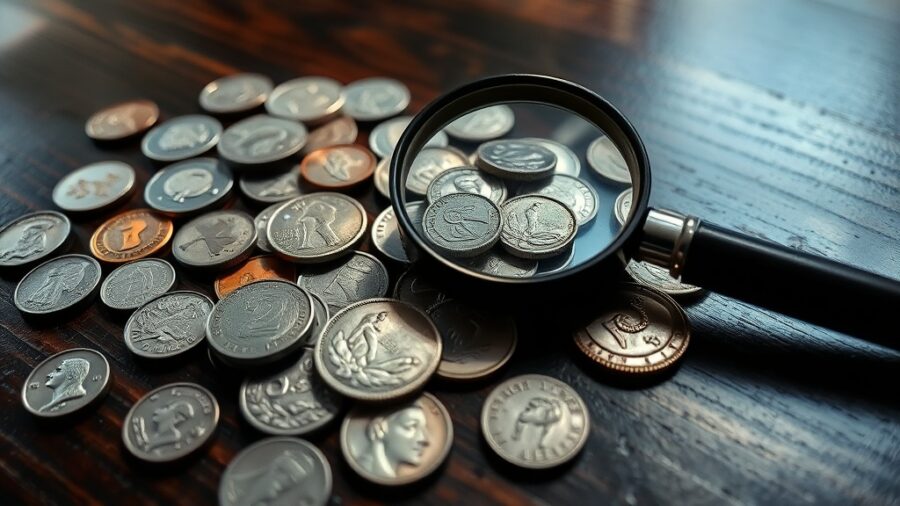
Silver Coins Collecting: A Valuable Investment Opportunity
Collecting silver coins has become a fascinating and lucrative hobby for many enthusiasts around the world. As the demand for precious metals increases, the value of silver coins collecting has gained remarkable attention. In this article, we will explore the different aspects of silver coin collecting, from understanding their value to market trends and preservation techniques. By delving into this topic, you will discover not only how to start your own collection but also how to maximize its worth.
Throughout history, silver coins have held significant value, both economically and culturally. They have been used as currency, traded as commodities, and cherished as collectibles. With the rise of numismatics, or coin collecting, more individuals are recognizing the benefits of investing in silver coins. This article aims to provide you with a comprehensive guide that covers various types of silver coins worth collecting, effective strategies to start your collection, and essential tips for preserving and grading your coins.
Moreover, understanding market trends is vital for any collector looking to enhance their investment. As we navigate through this article, you will learn about the best practices for selling and trading silver coins, ensuring you make informed decisions. Whether you are a beginner or a seasoned collector, this guide will equip you with the knowledge necessary to succeed in the world of silver coin collecting.
Understanding the Value of Silver Coins
The Historical Significance of Silver Coins
The value of silver coins is deeply rooted in their historical significance. Dating back to ancient civilizations, silver coins were minted for trade and commerce. For instance, the Roman Empire issued silver coins known as denarii, which played a crucial role in the economy. Over the centuries, various countries have minted their own silver coins, each carrying unique designs and cultural symbolism.
Today, the historical context of a silver coin can significantly impact its value. Coins that are rare, have historical significance, or were part of important events tend to be more valuable. Collectors often seek coins that represent specific periods or have unique characteristics, making them highly sought after in the market.
Factors Influencing the Value of Silver Coins
Several factors influence the value of silver coins, including their rarity, condition, and market demand. Rarity is determined by how many coins were minted and how many still exist today. For example, coins issued in limited quantities or those that were never circulated hold higher value compared to more common pieces.
Condition plays a critical role in valuation as well. Coins are graded on a scale from Poor (P-1) to Perfect Uncirculated (MS-70). A higher grade indicates better condition, leading to increased market value. Additionally, fluctuations in the silver market can affect overall prices; when silver prices rise, so does the value of silver coins.
Types of Silver Coins Worth Collecting
Popular Types of Silver Coins
When it comes to silver coins collecting, there are numerous types to consider. Some of the most popular include:
- American Silver Eagle: First released in 1986, this coin is one of the most recognizable silver coins worldwide.
- Canadian Silver Maple Leaf: Introduced in 1988, this coin is known for its high purity and beautiful design.
- Mexican Silver Libertad: This coin is sought after for its artistic design and limited mintage.
- British Silver Britannia: Minted since 1997, it features the iconic image of Britannia and is valued for its quality.
Rare and Historic Silver Coins
In addition to popular types, there are rare and historic silver coins that can be immensely valuable. For instance, the 1804 Silver Dollar is often referred to as the “King of American Coins” due to its rarity and historical significance. Only 15 known specimens exist, making it a coveted item for serious collectors.
Another example is the 1916 Standing Liberty Quarter, which is sought after due to its limited production and unique design. Coins like these not only hold monetary value but also tell a story, adding to their allure for collectors.
How to Start Your Silver Coin Collection
Setting Goals for Your Collection
Before diving into silver coin collecting, it’s essential to set clear goals. Determine what kind of collector you want to be: do you wish to focus on a specific type of coin, historical periods, or perhaps coins from various countries? Setting a direction will help you stay organized and focused as you build your collection.
Additionally, consider your budget. The price of silver coins can vary greatly, so establishing a budget allows you to make informed purchasing decisions without overspending.
Researching and Sourcing Coins
Once you have your goals in place, the next step is to research and source coins. Utilize reputable dealers, attend coin shows, and participate in online forums dedicated to coin collecting. Websites such as the American Numismatic Association and Coin World offer valuable resources and information.
Be sure to verify the authenticity of coins before purchasing. Counterfeit coins are prevalent in the market, and knowing how to identify them can save you from costly mistakes. Look for certified coins from reputable grading services like the Professional Coin Grading Service (PCGS) or the Numismatic Guaranty Corporation (NGC).
Preserving and Grading Your Silver Coins
Best Practices for Coin Preservation
Proper preservation is crucial for maintaining the value of silver coins. Store your coins in a cool, dry environment, away from direct sunlight and humidity. Use protective holders such as coin flips or capsules to prevent scratches and tarnishing.
Avoid touching the surface of coins with bare hands, as oils and dirt can cause damage. Instead, use cotton gloves when handling your coins to keep them in pristine condition.
Understanding Coin Grading
Grading is an essential aspect of coin collecting, as it directly affects a coin’s value. Familiarize yourself with grading scales and how to assess a coin’s condition. The Sheldon Scale, which ranges from 1 to 70, is widely used in the numismatic community.
Consider having your coins professionally graded if you believe they are of significant value. A certified grade can enhance a coin’s marketability and provide assurance to potential buyers.
Market Trends in Silver Coins Collecting
Current Market Analysis
The market for silver coins has experienced fluctuations influenced by economic conditions, global events, and shifts in collector interest. As of 2023, the price of silver has seen a steady increase, prompting more investors to enter the market. According to the Silver Institute, global silver demand reached approximately 1.03 billion ounces in 2022, with significant contributions from the jewelry and industrial sectors.
Moreover, the rise of online marketplaces has transformed how collectors buy and sell coins. Platforms such as eBay and dedicated numismatic websites have made it easier for collectors to access a wider range of coins and connect with other enthusiasts.
Anticipated Trends
Looking ahead, several trends are emerging in the silver coin market. Increasing interest in sustainable and ethical investments may drive more collectors towards silver coins, given their tangible nature and historical significance. Additionally, the popularity of themed collections, such as coins commemorating specific events or anniversaries, continues to grow.
It is essential to stay informed about market trends and adjust your collection strategy accordingly to maximize your investment potential.
Selling and Trading Silver Coins
When to Sell Your Coins
Knowing when to sell your silver coins can significantly impact your returns. Monitor market trends and price fluctuations to determine the best time to sell. If the value of silver has risen considerably, it may be a good opportunity to cash in on your investment.
Additionally, consider your personal circumstances. If you require funds or wish to upgrade your collection, selling coins can be a viable option. Keep in mind that it is generally advisable to sell when demand is high to secure better prices.
Methods for Selling Coins
There are various methods for selling silver coins. You can choose to sell directly to collectors, through online marketplaces, or via auction houses. Each method has its pros and cons:
- Direct Sales: Selling to individual collectors allows for potential negotiation and better prices, but may require more effort in finding buyers.
- Online Marketplaces: Platforms like eBay offer a vast audience, but fees can reduce profits, and competition is high.
- Auction Houses: These provide professional services and exposure, but often charge commissions that can affect overall returns.
Conclusion
In conclusion, silver coin collecting is not only an enjoyable hobby but also a valuable investment opportunity. By understanding the historical significance, value factors, and types of coins worth collecting, you can build a collection that resonates with your interests and financial goals. Proper preservation and grading techniques are crucial for maintaining the value of your coins, while being aware of market trends will help you make informed decisions when selling or trading.
Whether you are just starting or looking to enhance your existing collection, this guide provides essential insights into the world of silver coins collecting. With dedication and knowledge, you can navigate this exciting field and potentially reap significant rewards.
FAQ about Silver Coins Collecting
1. What are the best silver coins to start collecting?
Beginner collectors often find American Silver Eagles and Canadian Silver Maple Leafs to be excellent choices. These coins are widely recognized, readily available, and have a strong market demand.
2. How can I determine the value of my silver coins?
The value of silver coins can be determined by factors such as rarity, condition, and current market prices. Consulting price guides and engaging with reputable dealers can provide accurate assessments.
3. Is it safe to buy silver coins online?
Yes, buying silver coins online can be safe if you utilize reputable platforms and verify seller credentials. Look for coins that are graded and certified by recognized grading services.
4. How do I store my silver coins to prevent damage?
Store your silver coins in a cool, dry place, using protective holders like coin flips or capsules. Avoid touching the coins directly and handle them with cotton gloves to preserve their condition.
5. Can silver coins be a good investment?
Yes, silver coins can be a good investment, especially in times of economic uncertainty. Their intrinsic value as precious metals, combined with their collectible nature, can yield significant returns over time.
Recap
- Silver coin collecting combines history and investment potential.
- Factors like rarity and condition heavily influence coin values.
- Popular types include American Silver Eagles and Canadian Maple Leafs.
- Proper preservation techniques are crucial for maintaining value.
- Market trends can guide when to buy or sell coins.
- Various selling methods exist, each with its advantages and disadvantages.
- Stay informed about current trends to enhance your collection strategy.
- Engaging with the collector community can provide valuable insights and opportunities.