
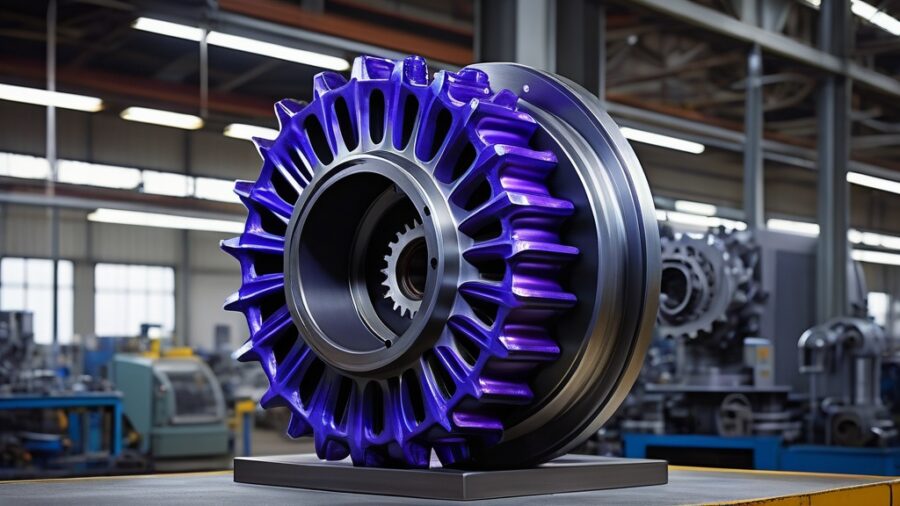
Understanding Vanadium Steel Alloy Uses
Vanadium steel alloys are gaining recognition for their unique properties and diverse applications across various industries. As a critical component in modern metallurgy, these alloys are known for their strength, durability, and resistance to wear and corrosion. In this article, we will explore the vanadium steel alloy uses in detail, highlighting their importance in construction, automotive, aerospace, and energy sectors.
The increasing demand for high-performance materials in today’s fast-paced industrial landscape necessitates a deeper understanding of vanadium steel alloys. This article will delve into the key properties that make these alloys stand out, their practical applications in different sectors, and the future prospects of vanadium steel technology.
By the end of this article, readers will have a comprehensive understanding of vanadium steel alloys, their various uses, and the advantages they offer in enhancing product performance and longevity.
Key Properties of Vanadium Steel Alloys
Vanadium steel alloys are characterized by several crucial properties that contribute to their effectiveness in various applications. Understanding these properties is essential for evaluating their suitability for specific uses.
High Strength and Toughness
One of the most notable characteristics of vanadium steel alloys is their exceptional strength. The addition of vanadium typically increases the hardness and tensile strength of the steel, making it ideal for demanding applications. For instance, vanadium steel alloys can achieve tensile strengths exceeding 1,200 MPa, which is significantly higher than conventional carbon steels.
Moreover, the toughness of these alloys allows them to absorb energy without fracturing, making them suitable for applications that require resilience under stress.
Corrosion Resistance
Corrosion resistance is another key property of vanadium steel alloys. The presence of vanadium enhances the formation of a protective oxide layer on the surface of the steel, which helps to prevent rusting and degradation in harsh environments. This property is particularly beneficial in applications exposed to moisture, chemicals, and extreme temperatures.
For example, vanadium steel alloys are often used in marine applications and chemical processing equipment where exposure to corrosive elements is a concern.
Applications in Construction
The construction industry extensively utilizes vanadium steel alloys due to their strength, durability, and resistance to wear. These materials contribute to the safety and longevity of structures, making them a preferred choice for various construction applications.
Reinforcement in Concrete Structures
Vanadium steel alloys are commonly used as reinforcement bars (rebars) in concrete construction. Their high tensile strength enhances the overall structural integrity of buildings and bridges. For instance, using vanadium steel rebars can significantly reduce the risk of structural failure under heavy loads.
The addition of vanadium also improves the bond strength between the steel and concrete, leading to more robust and durable constructions.
Heavy Machinery and Equipment
In addition to reinforcement, vanadium steel alloys are used in manufacturing heavy construction machinery and equipment. Components such as gears, shafts, and excavator buckets benefit from the high strength and wear resistance of these alloys, leading to reduced maintenance costs and extended service life.
The increased durability of machinery made from vanadium steel alloys allows for more efficient operation, ultimately contributing to project timelines and cost savings.
Uses in Automotive Industry
In the automotive industry, vanadium steel alloys play a pivotal role in enhancing vehicle performance and safety. Their unique properties provide significant advantages in various automotive applications.
Engine Components
Vanadium steel alloys are often used in manufacturing critical engine components, such as crankshafts, connecting rods, and camshafts. The high strength and fatigue resistance of these alloys enable engine parts to withstand the rigors of operation, ultimately improving engine efficiency and longevity.
For instance, using vanadium steel in these components can lead to weight reduction without sacrificing performance, contributing to better fuel efficiency.
Chassis and Suspension Systems
Another important application of vanadium steel alloys in the automotive sector is in chassis and suspension systems. The combination of strength and light weight allows for the design of more resilient and responsive vehicle suspension systems.
Additionally, the corrosion resistance of vanadium steel alloys ensures that components remain reliable over time, even under challenging driving conditions.
Role in Aerospace Engineering
The aerospace industry demands materials that can withstand extreme conditions while ensuring safety and reliability. Vanadium steel alloys meet these requirements, making them a vital component in aerospace engineering.
Aircraft Structural Components
In aerospace applications, vanadium steel alloys are utilized in the construction of various structural components, including fuselage frames, wing structures, and landing gear. The high strength-to-weight ratio of these alloys allows for lighter aircraft designs without compromising structural integrity.
This characteristic is particularly beneficial in reducing fuel consumption and enhancing overall aircraft performance.
Engine Parts and Turbine Blades
Vanadium steel alloys are also employed in manufacturing engine parts and turbine blades due to their ability to withstand high temperatures and stresses. The addition of vanadium enhances the heat resistance of these components, making them suitable for high-performance jet engines.
The durability of vanadium steel alloys ensures that these critical components maintain their performance over extended periods, contributing to the safety and efficiency of flight operations.
Vanadium Steel Alloys in Energy Sector
The energy sector is another area where vanadium steel alloys find extensive applications, particularly in the production and distribution of energy. Their properties are essential for maintaining efficiency and safety in various energy-related processes.
Oil and Gas Industry
In the oil and gas industry, vanadium steel alloys are used in the manufacturing of drilling equipment and pipelines. The strength and corrosion resistance of these alloys help to ensure the integrity of equipment in harsh environments, such as deep-sea drilling operations.
Moreover, the durability of vanadium steel reduces the risk of equipment failure, which can lead to costly downtime and safety hazards.
Renewable Energy Technologies
Vanadium steel alloys are also being explored for use in renewable energy technologies, such as wind and solar energy systems. In wind turbines, for example, the use of vanadium steel in turbine blades can enhance their performance and lifespan, making renewable energy more viable and efficient.
Additionally, the high strength of vanadium steel can contribute to the structural integrity of solar panel mounts and other supporting structures.
Conclusion and Future Perspectives
In conclusion, vanadium steel alloys are versatile materials with a wide range of applications across various industries. Their exceptional properties, including high strength, toughness, and corrosion resistance, make them indispensable in construction, automotive, aerospace, and energy sectors.
As industries continue to evolve, the demand for advanced materials like vanadium steel alloys is expected to grow. Researchers and engineers are continually exploring new methods to enhance the performance of these alloys, paving the way for innovative applications in emerging technologies.
In the future, vanadium steel alloys may play a critical role in the development of high-performance materials for applications in fields such as robotics, advanced manufacturing, and even space exploration.
Frequently Asked Questions about Vanadium Steel Alloys
What are vanadium steel alloys?
Vanadium steel alloys are steel alloys that contain vanadium as a primary alloying element. These alloys are known for their enhanced strength, toughness, and corrosion resistance, making them suitable for a wide range of industrial applications.
What industries use vanadium steel alloys?
Vanadium steel alloys are utilized in various industries, including construction, automotive, aerospace, and energy sectors. Their unique properties allow for improved performance and durability in demanding applications.
How do vanadium steel alloys enhance performance?
The addition of vanadium to steel improves its strength and toughness, allowing components to withstand greater stresses and strains. This enhancement leads to reduced maintenance needs and longer service life for machinery and structures.
Are there environmental benefits to using vanadium steel alloys?
Yes, vanadium steel alloys contribute to environmental sustainability by enhancing the efficiency and longevity of products. For instance, lighter and stronger materials can lead to improved fuel efficiency in vehicles, reducing greenhouse gas emissions.
What is the future of vanadium steel alloys?
The future of vanadium steel alloys looks promising, with ongoing research focused on improving their properties and exploring new applications. As industries seek advanced materials to meet evolving demands, vanadium steel alloys may play a crucial role in technological advancements.
Summary of Key Points
- Vanadium steel alloys are known for their high strength and toughness.
- These alloys are widely used in construction, automotive, aerospace, and energy sectors.
- Key applications include reinforcement in concrete, engine components, and aircraft structures.
- Corrosion resistance enhances the longevity and reliability of products made from vanadium steel alloys.
- The future of vanadium steel alloys is promising, with potential applications in emerging technologies.