
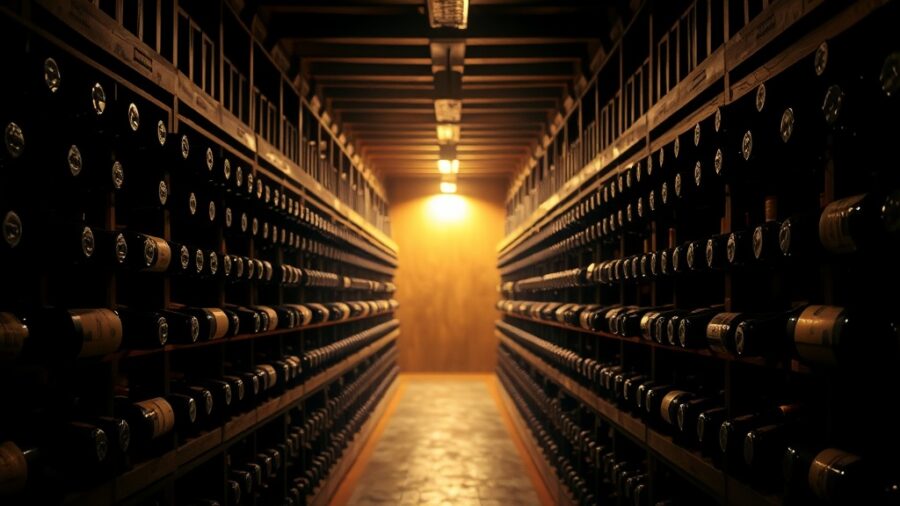
Introduction to Wine Cellar Storage Basics
Understanding the wine cellar storage basics is essential for both novice and seasoned wine enthusiasts. Proper wine storage guarantees that your collection maintains its quality over time, allowing you to enjoy every bottle at its best. In this article, we will delve into the fundamental principles of wine storage, exploring how temperature, humidity, and light affect wine preservation.
As wine appreciation grows, so does the need for effective storage solutions. Many passionate collectors invest in sophisticated wine cellars, yet often overlook the basic principles that govern optimal storage. This guide aims to illuminate these principles, ensuring that your investment in wine is safeguarded for years to come.
From understanding the importance of temperature control to exploring various wine rack designs, you will gain a comprehensive overview of what makes for effective wine cellar storage. Whether you have a dedicated cellar or a simple wine rack, the insights shared in this article will enhance your approach to wine management.
Understanding the Importance of Temperature Control
Temperature control is arguably the most critical aspect of wine cellar storage. Wine is a living product that can be profoundly affected by temperature fluctuations. Ideally, wine should be stored at a consistent temperature between 50°F and 55°F (10°C to 13°C). This range is optimal for both red and white wines.
Excessive heat can lead to premature aging, while colder temperatures can stifle a wine’s development. For instance, a wine stored at 70°F (21°C) can age about three times faster than one kept at the ideal temperature. Moreover, temperature swings can cause the cork to expand and contract, leading to oxidation.
Consequences of Improper Temperature
- Oxidation: When exposed to too much heat, wine can develop off-flavors.
- Early Aging: Wines stored at elevated temperatures might lose their intended character.
- Cork Damage: Temperature fluctuations can compromise the cork seal, leading to spoilage.
Tools for Monitoring Temperature
Investing in a quality thermometer or a dedicated wine fridge can help maintain the ideal temperature. Many modern wine cellars now come equipped with digital temperature control systems that allow you to monitor conditions remotely. These tools not only ensure stability but also provide peace of mind.
Humidity Levels: The Key to Wine Preservation
Humidity plays a vital role in preserving wine quality. Ideally, the humidity level in a wine cellar should be between 50% and 70%. A humidity level below 50% can lead to corks drying out, resulting in oxidation, while levels above 70% can promote mold growth.
The right humidity ensures that the cork remains moist and expands properly, preventing air from entering the bottle. A well-maintained cork is crucial for keeping wine in optimal condition. In regions with low humidity, it may be necessary to implement a humidification system to maintain appropriate levels.
Effects of Humidity on Wine Storage
- Low Humidity: Leads to cork shrinkage and oxidation.
- High Humidity: Increases the risk of mold and potentially taints the wine.
- Optimal Humidity: Preserves the integrity of the cork and wine quality.
Monitoring Humidity Levels
Using a hygrometer is an effective way to track humidity levels in your wine cellar. Many wine coolers come with built-in hygrometers, but independent devices can also provide accurate readings. Maintaining consistent humidity is essential for long-term wine storage, and regular checks can prevent potential issues.
Wine Rack Designs: Maximizing Space and Functionality
Choosing the right wine rack design is crucial for maximizing space and ensuring proper storage conditions. Wine racks come in various styles, materials, and configurations, allowing collectors to customize their storage solutions based on available space and personal preference.
Considerations for selecting wine racks include the number of bottles you plan to store, the available space in your home, and the aesthetic appeal of the rack. For instance, modular racks allow for flexibility and expansion, while built-in racks can enhance the visual appeal of a wine cellar.
Types of Wine Racks
- Modular Racks: Flexible and customizable, great for expanding collections.
- Wall-Mounted Racks: Ideal for small spaces, providing a stylish storage option.
- Traditional Wooden Racks: Often considered the classic choice, they add a rustic charm.
Factors to Consider When Choosing Wine Racks
When selecting wine racks, consider the orientation of your bottles. Storing wine bottles horizontally keeps the cork moist, while vertical storage can dry out corks over time. Additionally, assess the material’s durability, as wood, metal, and acrylic each offer distinct advantages and aesthetics.
Light and Vibration: Protecting Your Wine
Light and vibration can significantly affect the aging process of wine. Ultraviolet (UV) light can degrade wine and alter its flavor profile. Therefore, a wine cellar should be designed to minimize light exposure. Opting for dark or tinted glass doors, or using solid walls, can help shield your collection from harmful light.
Vibration is another factor that can disturb the sediments in wine bottles, affecting the overall quality. Appliances like refrigerators or air conditioning units can create vibrations that may be detrimental to wine. Therefore, it is advisable to store wine in a location that minimizes movement.
Ways to Reduce Light Exposure
- Use Dark Bottles: Dark glass bottles provide better protection against UV light.
- Install UV-Filtering Glass: If using glass doors, choose UV-filtering options to mitigate exposure.
- Limit Artificial Light: Use soft, ambient lighting in your wine storage area.
Minimizing Vibration
To minimize vibration, place your wine racks on stable surfaces away from appliances that generate noise and movement. Some wine coolers are specifically designed to operate quietly, further reducing vibration. Additionally, consider using vibration-dampening pads under your racks for added protection.
Choosing the Right Location for Your Wine Cellar
The location of your wine cellar can determine the effectiveness of your storage conditions. When selecting a site, consider factors such as temperature stability, humidity levels, and accessibility. Ideally, your wine cellar should be situated in a cool and dark area of your home, away from direct sunlight and heat sources.
Basements are often ideal for wine storage due to their naturally cooler temperatures and stable humidity levels. However, if a basement is not available, closets or specially constructed wine rooms can serve as effective alternatives. The key is to ensure consistent conditions that align with the principles of wine storage.
Factors to Consider When Choosing Location
- Temperature Stability: Areas with minimal temperature fluctuations are preferable.
- Accessibility: Ensure the location allows for easy access to your collection.
- Ventilation: Proper air circulation helps maintain humidity and air quality.
Creating an Ideal Wine Cellar Environment
Regardless of the location, it is essential to insulate the space properly to prevent external temperature fluctuations. Installing a cooling unit may also be necessary to maintain the desired temperature. Creating an ideal environment involves a combination of appropriate insulation, cooling systems, and monitoring devices.
Common Mistakes to Avoid in Wine Cellar Storage
Even seasoned collectors can make mistakes when it comes to wine storage. Understanding common pitfalls can help ensure the longevity and quality of your wine collection. One prevalent mistake is neglecting temperature and humidity control, which can lead to spoilage over time.
Another common error is overcrowding wine racks. While it may be tempting to maximize storage, overcrowding can lead to poor airflow and increased risk of damage. Additionally, failing to rotate your collection can result in some bottles aging faster than others, leading to inconsistencies in quality.
Common Storage Mistakes
- Neglecting Temperature Control: Failing to monitor and maintain optimal temperature can lead to quicker aging.
- Overcrowding Racks: Prevents proper airflow and increases the risk of spoilage.
- Ignoring Bottle Orientation: Vertical storage can dry out corks and compromise wine quality.
How to Avoid These Mistakes
To avoid these common mistakes, regularly check temperature and humidity levels in your cellar. Implement a system for rotating bottles, ensuring that older wines are consumed before newer ones. Additionally, invest in quality racks that allow for proper spacing and airflow, enhancing the preservation of your collection.
Conclusion and Summary of Wine Cellar Storage Essentials
In conclusion, understanding the wine cellar storage basics is crucial for preserving the quality of your wine collection. Key factors such as temperature control, humidity levels, and light exposure play significant roles in maintaining the integrity of your wines. By implementing the best practices outlined in this article, you can create an optimal storage environment that safeguards your investment.
Furthermore, avoiding common mistakes in storage will help you enjoy your wines at their best. From choosing the right location for your cellar to selecting appropriate wine rack designs, each decision contributes to the overall quality of your wine experience. Whether you are a casual drinker or a serious collector, these fundamentals will ensure your wine remains in perfect condition.
FAQ about Wine Cellar Storage
What is the ideal temperature for storing wine?
The ideal temperature for storing wine is between 50°F and 55°F (10°C to 13°C). This range supports optimal aging and flavor development for both red and white wines.
How does humidity affect wine storage?
Humidity levels between 50% and 70% are ideal for wine storage. Low humidity can dry out corks, leading to oxidation, while high humidity can promote mold growth and spoilage.
Can I store wine in a regular refrigerator?
While you can temporarily store wine in a regular refrigerator, it is not recommended for long-term storage. Regular refrigerators operate at colder temperatures and have low humidity, which can negatively affect wine quality.
How often should I check my wine cellar conditions?
It is advisable to check the temperature and humidity levels in your wine cellar at least once a month. Regular monitoring ensures that conditions remain stable and conducive to wine preservation.
What are some signs that my wine is spoiling?
Signs of spoiled wine include off-flavors, a musty smell, or a change in color. If you notice any of these indicators, it is best to avoid consuming the wine.
Quick Recap of Wine Cellar Storage Basics
- Maintain temperature between 50°F and 55°F for optimal aging.
- Keep humidity levels between 50% and 70% to protect cork integrity.
- Choose appropriate wine rack designs to maximize space and airflow.
- Minimize light exposure to prevent UV damage to your wines.
- Avoid overcrowding and ensure proper bottle orientation for longevity.
- Regularly monitor cellar conditions for stability and quality.
- Be aware of common mistakes to enhance wine storage practices.
- Enjoy your wines at their best with proper care and attention.